Parking Lot Snow Removal Winnipeg: Equipment & Staging
A plow truck, a pusher and a loader do three different jobs, and the pile you start in November is still there…
Read the article →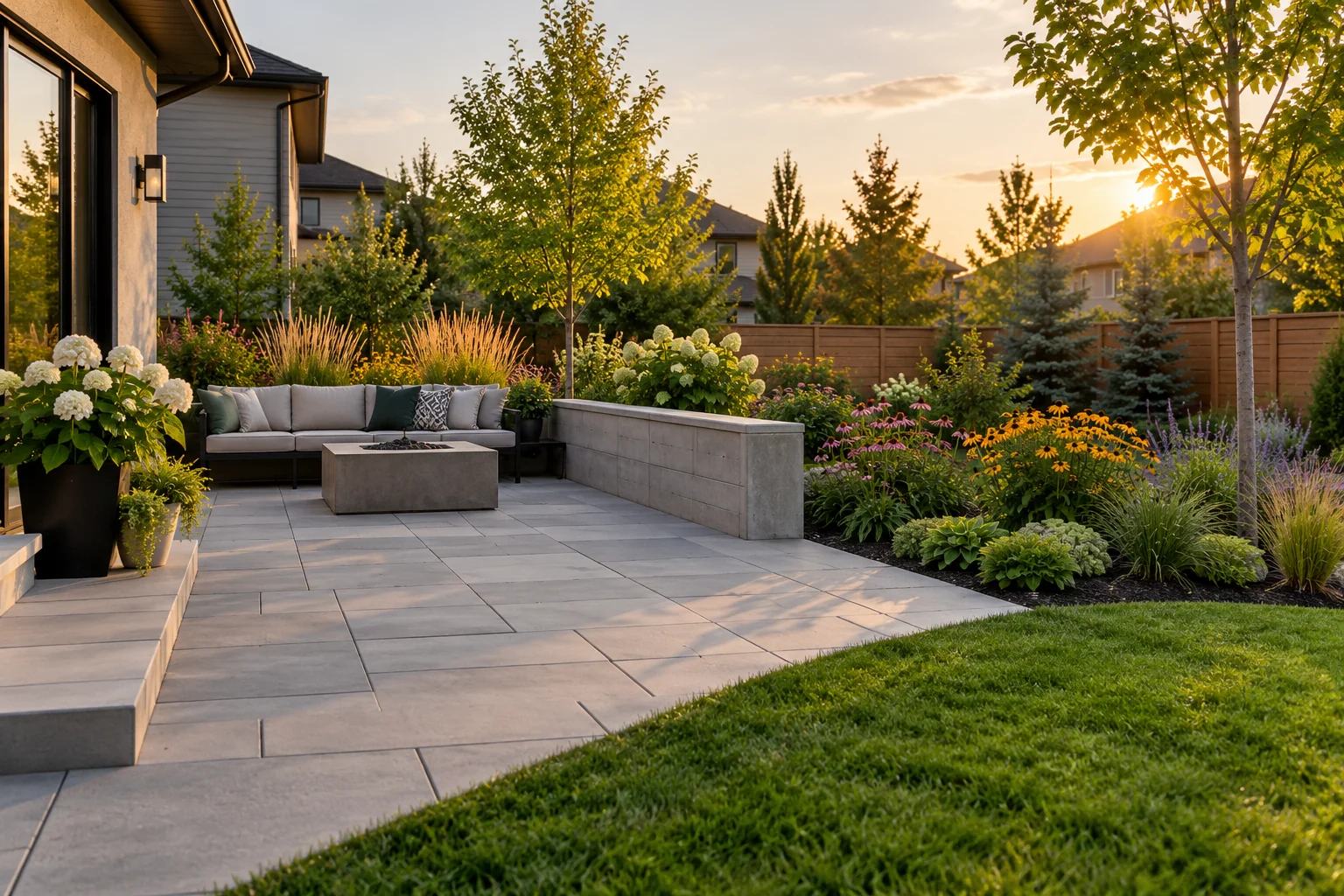
Hardscaping is the built part of a yard. Compare patios, paths and walls with softscape, and learn why base preparation matters in Winnipeg.
If you have started planning a new yard, you have probably heard the word "hardscaping" and wondered where it ends and regular landscaping begins. The short answer: hardscaping is everything built, and softscape is everything grown. Good outdoor spaces in Winnipeg need both, and the order you plan them in matters more than most homeowners expect.
This guide explains what counts as hardscaping, how it differs from softscape, and why the part you never see, the base, decides how long the part you do see will last.
Hardscaping is the non-living, structural part of a landscape. If it is installed rather than planted, it is hardscape. Common examples include:
Hardscape gives a yard its shape. It sets where you walk, where you sit and where water goes when it rains. Because it is built to stay put, it is also the most expensive part of a yard to change later, which is why it is usually designed first.
You can see the range of surfaces we build on our patios and walkways page and how walls hold back grade on our retaining walls page.
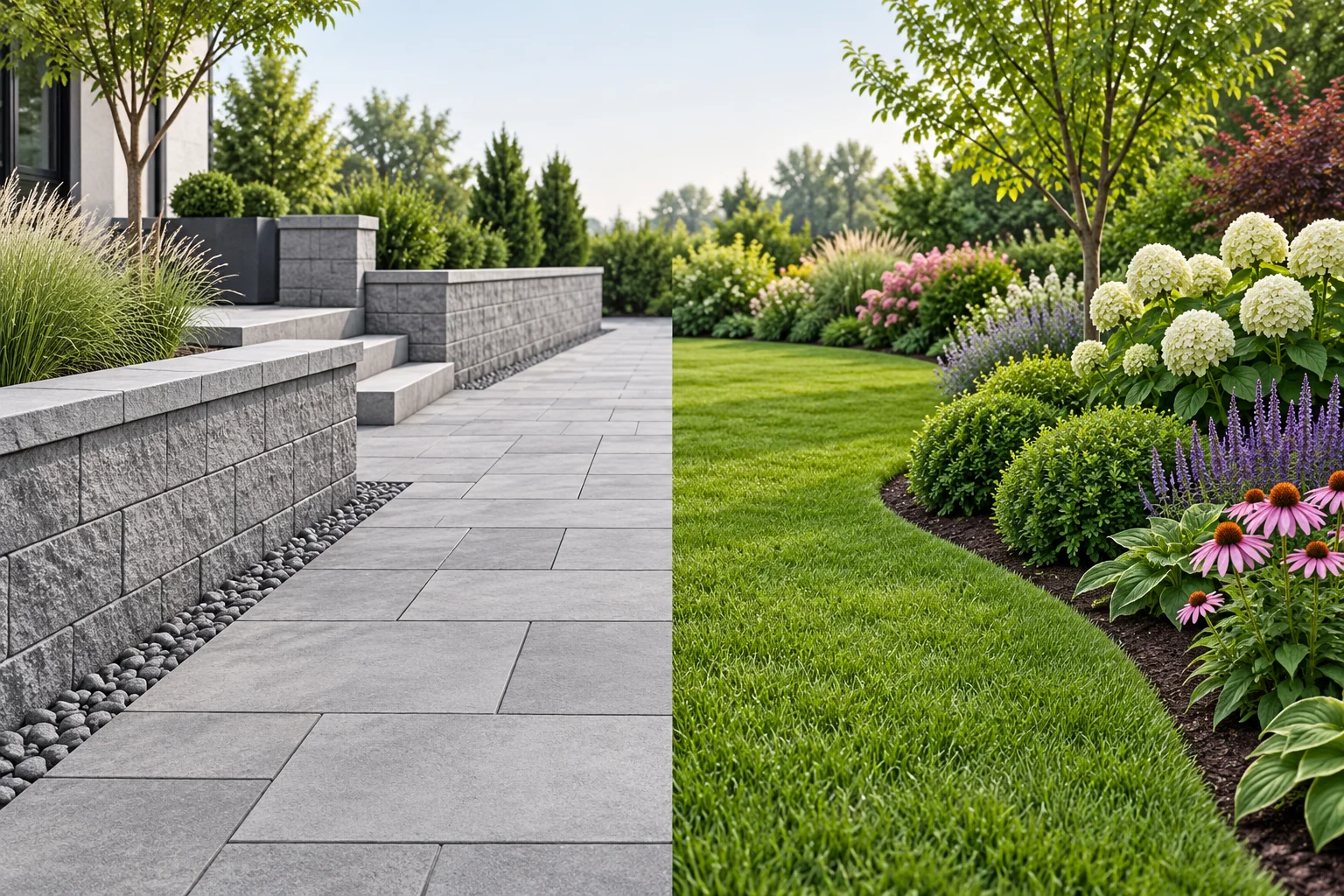
Softscape is the living part of a landscape: lawn, trees, shrubs, perennials, planting beds and the soil they grow in. Softscape changes over time. It grows, fills in, needs watering and pruning, and can be moved or replaced without heavy equipment.
The simplest way to compare them:
| Comparison | Hardscape | Softscape |
|---|---|---|
| What it is | Built, non-living features | Living plants and soil |
| Examples | Patios, walkways, walls, steps | Lawn, trees, shrubs, garden beds |
| Changes over time | Should not move | Grows and fills in |
| Cost to redo | High | Lower |
| Planned | First | Around the hardscape |
The two work together. A patio with nothing around it feels like a slab in the lawn. A yard full of plants with no paths gets trampled and muddy. The best results come from planning both at once so the hard lines and soft edges support each other.
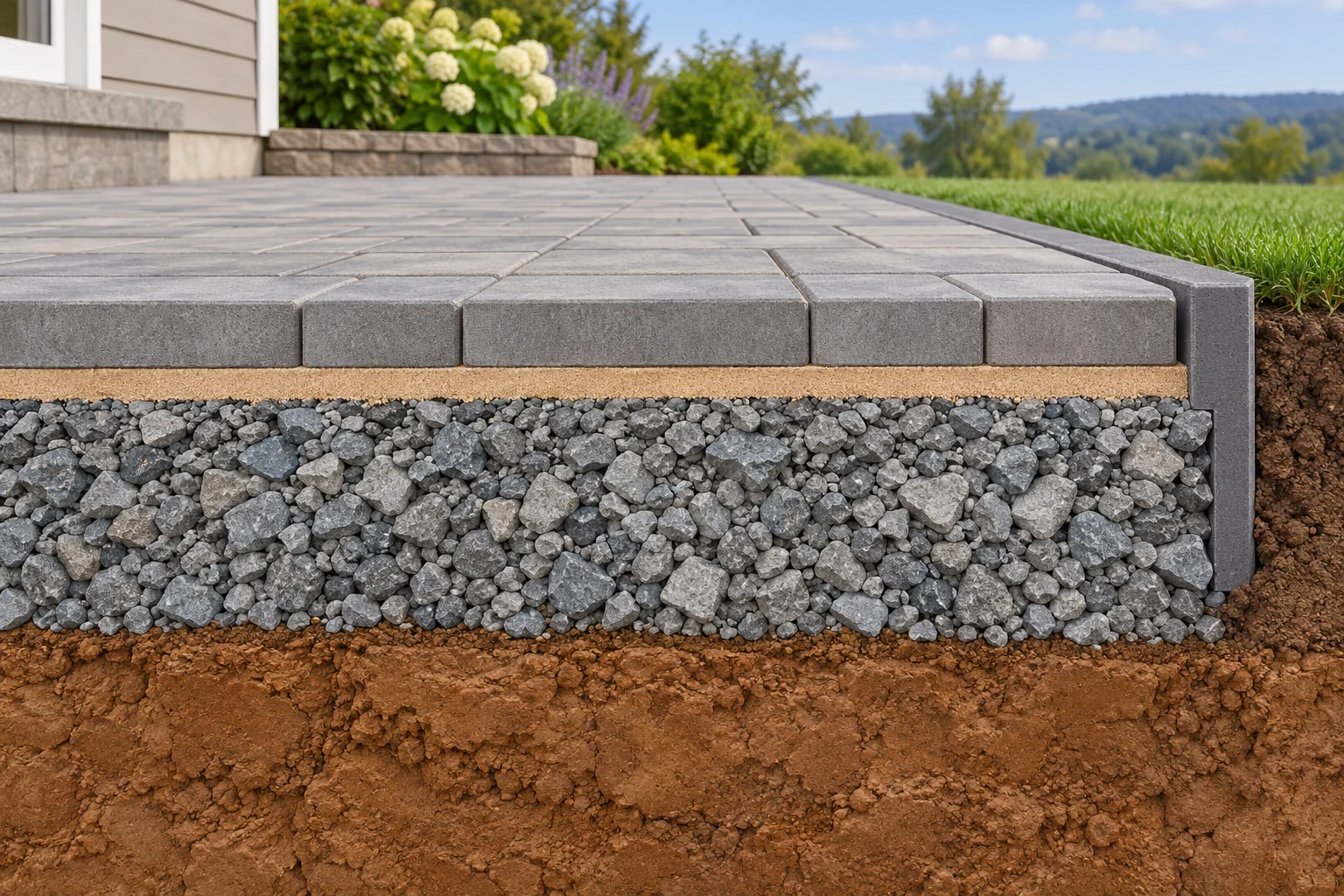
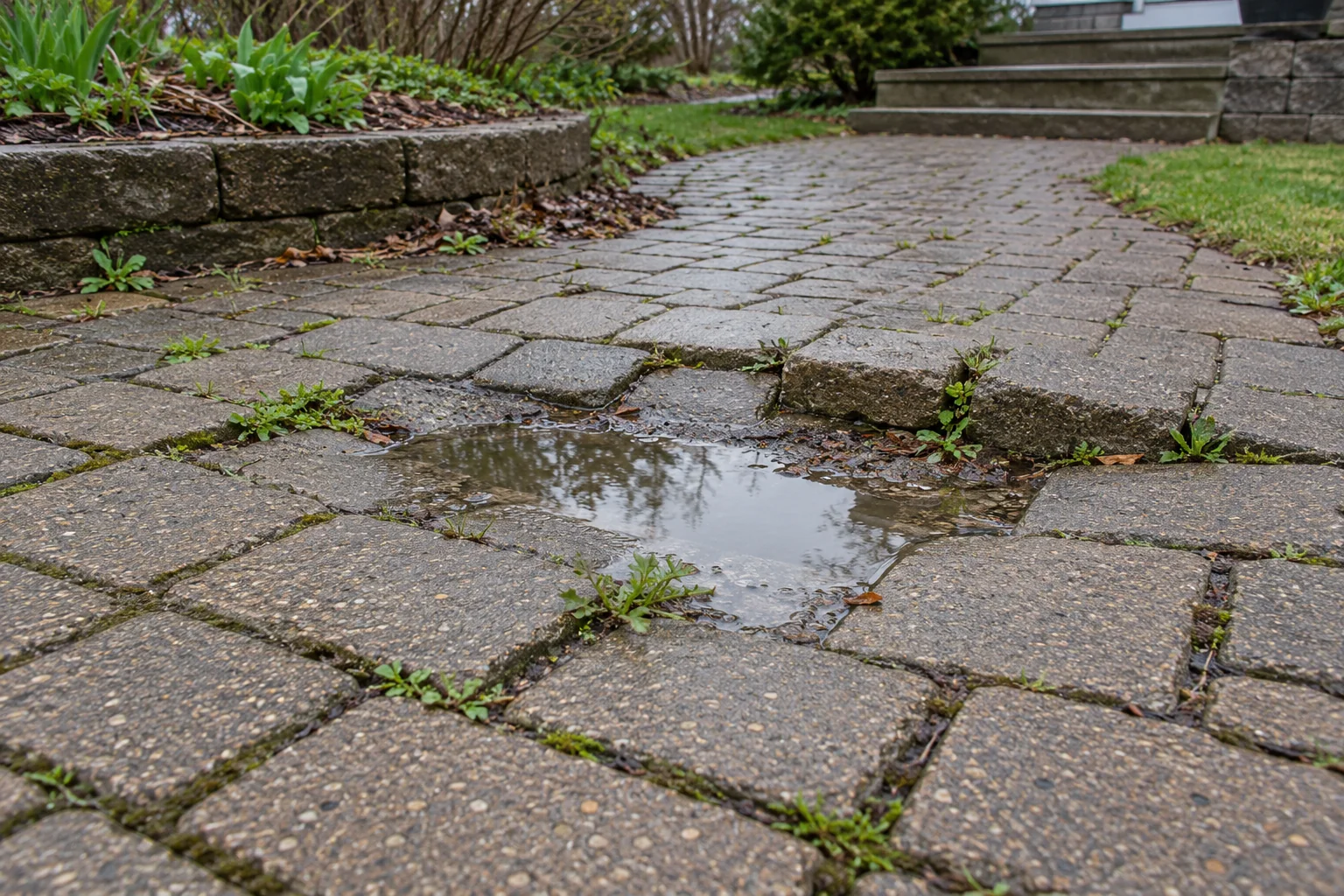
Here is the part most people never see. Every patio, walkway and wall sits on a prepared base, and in Winnipeg that base works hard. Our heavy clay soils hold water, and our long winters freeze and thaw the ground over and over. A surface is only as stable as what is under it.
When a base is done right, you do not think about it. When it is shortcut, the yard tells you, usually a few seasons later:
The frustrating thing about a base shortcut is that it looks fine on the day it is finished. The cost shows up years later, and the fix usually means lifting the surface and starting again.
If you want to understand the materials that go into a base, our sister company Ditchfield Supplies has good plain-language guides on screenings and stone dust for paver base work and on crushed limestone vs clear stone.
The right surface depends on how the space will be used, how it needs to look next to your house, and how much maintenance you want.
Whatever the surface, the same rules apply: a properly built base, edge restraint on every edge, and grades set so water leaves the space.
Hardscaping rarely stands alone. A patio connects to a walkway, the walkway meets steps, and lighting, planting and seating tie it all together. Thinking about the whole yard, even if you build it in stages, avoids tearing out something new to make room for the next piece.
A few places to go next:
You can see how design, hardscape and planting come together in our landscaping build services.
Hardscaping is the built, non-living part of a landscape, such as patios, walkways, retaining walls, steps and edging.
Hardscape is installed and should not move. Softscape is living: lawn, trees, shrubs and planting beds. Most yards need both, planned together.
Usually yes. Hardscape involves excavation and heavy equipment, so it is built first and the planting is designed around it.
Most often because of the base. Clay soil and repeated freeze-thaw cycles punish a base that was not built and compacted properly, or that does not drain.
Yes, and planning the whole yard up front makes that easier, because later phases can connect to what is already there without tearing it out.
Lawn 'N' Order designs and builds hardscape across Winnipeg, from a single walkway to a complete outdoor living space. Tell us what you have in mind and we will walk you through the options.
Get your estimate or call (431) 816-1387.
Send the address and a rough idea of scope. We'll walk it, take levels, and give you a written number you can compare line for line.
Keep reading
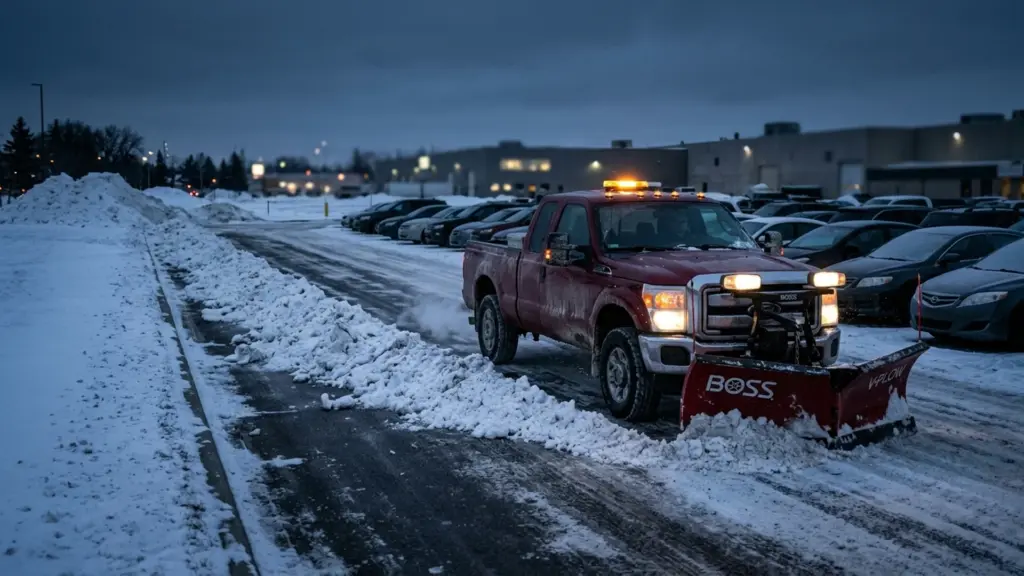
A plow truck, a pusher and a loader do three different jobs, and the pile you start in November is still there…
Read the article →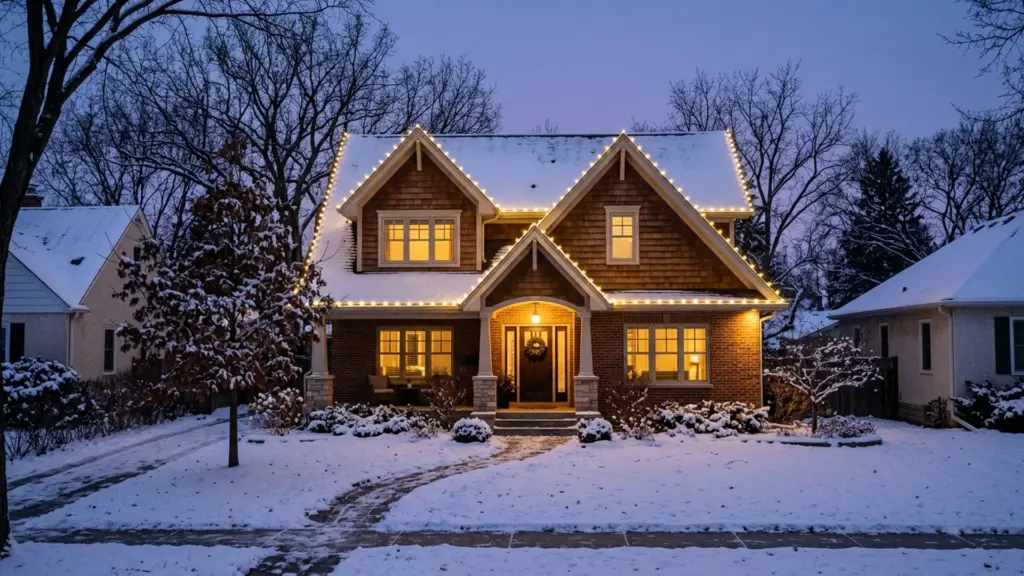
Holiday Light Installation Winnipeg: Book Before the Ground Freezes Quick Takeaways Holiday light installation in Winnipeg has a short window: crews install…
Read the article →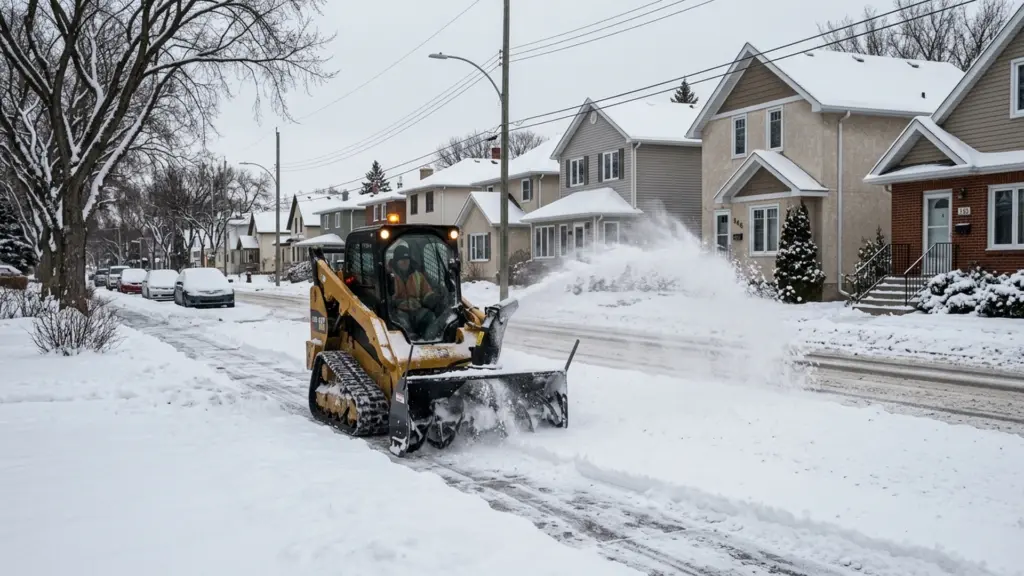
Who Clears the Sidewalk in Winnipeg? What the City Does and What You’re Responsible For Quick Takeaways Winnipeg is one of the…
Read the article →