
Parking Lot Snow Removal Winnipeg: Equipment & Staging
A plow truck, a pusher and a loader do three different jobs, and the pile you start in November is still there…
Read the article →
Most established trees and shrubs in a Winnipeg yard need no winter protection at all, and wrapping everything is wasted effort. Here is the short list that genuinely benefits, the difference between burlap screening and trunk wrapping, and the plastic-wrap mistake that does more harm than doing nothing.
Winter protection is one of the areas where Winnipeg homeowners most commonly over-invest effort. The instinct when facing a Manitoba winter is that everything vulnerable should be wrapped, screened, or covered. In practice, the majority of established plants in a typical Winnipeg yard are hardy for this climate and get through winter without any intervention, which is precisely why they were planted here.
This guide is about the specific cases that do warrant protection and how to do it correctly. For the underlying damage mechanisms, how snow load, road salt, and winter wind actually injure trees and shrubs, see our winter tree care guide, which covers the why. This post covers the what and the how.
Anything planted in the last one to two seasons has a root system that hasn’t fully established. It can’t replace moisture at the same rate a mature plant can, which makes it more vulnerable to winter desiccation. This is the single most common legitimate case for protection in a residential yard.
Fall-planted material is the most exposed case, since the root system has had the least time. See our fall tree and shrub planting guide for planting timing and the watering requirements that reduce this vulnerability in the first place.
Evergreens continue losing moisture through their needles all winter while their roots sit in frozen soil unable to replace it. On a sheltered site this is usually manageable. On an exposed site, an open corner lot, a west or northwest-facing position with no windbreak, a spot that catches prevailing wind, the moisture loss can exceed what the plant can tolerate, producing the browning and dieback that shows up in spring.
Cedars are the most commonly affected in Winnipeg yards, both because they’re widely planted and because their foliage structure loses moisture readily.
Sun-scald is a specific and often misunderstood injury. On a bright winter day, direct sun on the south or southwest side of a thin-barked young tree warms the bark and the tissue underneath it. When the sun goes down or a cloud passes, that tissue refreezes rapidly. Repeated over a winter, the cycle kills the cambium layer on that side of the trunk, and the damage appears in spring as a sunken, cracked, or discoloured strip of bark.
Young maples, lindens, fruit trees, and other thin-barked species are the candidates. Mature trees with thick, fissured bark are not at meaningful risk.
Anything planted at the edge of its hardiness range for Zone 3 is a legitimate protection candidate. If a plant is rated Zone 4 and you’re growing it in Winnipeg because of a favourable microclimate, winter protection is part of the deal.
Being clear about this saves real effort:
Screening is a barrier standing between the plant and the wind or salt spray, not a covering wrapped around the plant itself. This distinction matters, because the two get conflated and they do different jobs.
Drive three or four stakes into the ground around the plant on the exposed side or sides, positioned outside the plant’s branches rather than against them
Attach burlap to the stakes, creating a wall between the prevailing wind and the plant
Leave the top open. The screen is a windbreak, not a tent, and covering the top traps moisture and prevents snow from providing its own insulation.
Leave a gap between the burlap and the foliage rather than pressing it against the plant
Get the stakes in before the ground freezes hard; driving stakes into frozen Winnipeg clay in December is a genuinely different job than doing it in October
Screening suits evergreens on exposed sites and any plant positioned where road salt spray from a street or driveway reaches the foliage. For salt spray specifically, the screen goes on the side facing the salted surface. Screening on that side pairs with the wider set of winter damage precautions in our snow removal damage guide.

Trunk wrapping addresses a different problem than screening. It shades the bark on the vulnerable side, preventing the warm-then-refreeze cycle that causes sun-scald.
Use a proper tree wrap material or burlap: breathable, light-coloured material designed for the purpose
Start at the base and wrap upward, overlapping each pass by about a third, to the first main branches
Wrap firmly enough to stay in place but not tight enough to constrict the trunk
Secure the end without wrapping wire or anything that could girdle the trunk as it moves
Plastic sheeting, plastic wrap, or any non-breathable material wrapped against bark traps moisture, which invites rot and creates a hospitable environment for insects and disease. It also amplifies rather than moderates the temperature swings it’s meant to prevent. This is the most common winter protection mistake and it does more harm than leaving the tree unwrapped.
A related winter issue worth handling at the same time: voles and rabbits chew bark at the base of young trees and shrubs over winter, working under snow cover where the damage isn’t visible until spring. Girdling damage, a complete ring of chewed bark around the trunk, kills the tree.
A cylinder of hardware cloth or a commercial tree guard around the base, extending higher than expected snow depth and set slightly into the soil, prevents this. It’s a small task with a disproportionate payoff on young trees.

Install winter protection after the plant has gone dormant and the ground has begun to freeze, not at the first cool weather. Wrapping or screening a plant that’s still active keeps it insulated at exactly the point when it should be hardening off for winter, which is the same principle that governs winter mulch timing.
Practically for Winnipeg: get the stakes in during a mild fall day while the ground is workable, then attach the burlap when the plant is genuinely dormant. Splitting the task that way avoids the frozen-ground problem without installing the screening too early.
Remove protection in early spring as growth begins and before consistent warm weather arrives. Material left on too long traps heat and moisture during spring warming, and wrap left on a trunk into the growing season can restrict the trunk as it expands.
The removal timing matters as much as the installation timing, and it’s the half people more often forget.
| Plant Situation | Protection | Timing |
|---|---|---|
| Newly planted, first two winters | Burlap screen on exposed sides; rodent guard at base | Stakes in fall, burlap once dormant |
| Evergreen on exposed site | Burlap screen on windward side, top open | Stakes in fall, burlap once dormant |
| Young thin-barked tree, south/southwest exposure | Trunk wrap, base to first branches | Once dormant; remove early spring |
| Plant near a salted driveway or street | Burlap screen on the side facing the salted surface | Before salting season begins |
| Established hardy tree or shrub, sheltered | None needed | n/a |
Should I tie up my cedars so snow doesn’t splay them open?
For multi-stemmed cedars and upright evergreens that have splayed under snow load in past winters, loosely tying the stems together with soft twine before heavy snow arrives does prevent that. Tie loosely enough that the plant isn’t constricted, and remove the ties in spring. This is a different intervention from screening and addresses snow load rather than moisture loss.
Do anti-desiccant sprays work?
Anti-desiccant products are marketed for reducing winter moisture loss on evergreens. Results are mixed and depend heavily on correct application timing and reapplication through the winter, which is difficult to manage in a Manitoba climate. Burlap screening addresses the same problem more reliably. If you use a spray, treat it as a supplement to screening rather than a replacement.
How long does newly planted material need protection?
Generally the first two winters, after which the root system is established enough that the plant handles winter on its own. Species and site matter: a marginally hardy plant on an exposed site may warrant protection indefinitely, while a fully hardy tree in a sheltered spot may not need a second winter of it.
Lawn ‘N’ Order can assess which plants on your property genuinely need winter protection and handle the installation before freeze-up.
Use the Free Calculator Book a Free ConsultationSend the address and a rough idea of scope. We'll walk it, take levels, and give you a written number you can compare line for line.
Keep reading
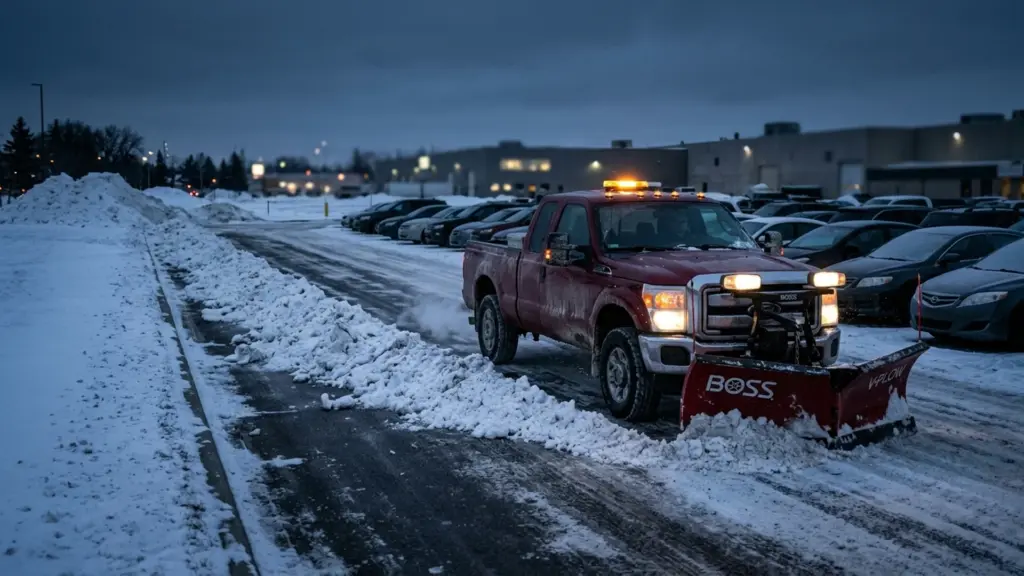
A plow truck, a pusher and a loader do three different jobs, and the pile you start in November is still there…
Read the article →
Holiday Light Installation Winnipeg: Book Before the Ground Freezes Quick Takeaways Holiday light installation in Winnipeg has a short window: crews install…
Read the article →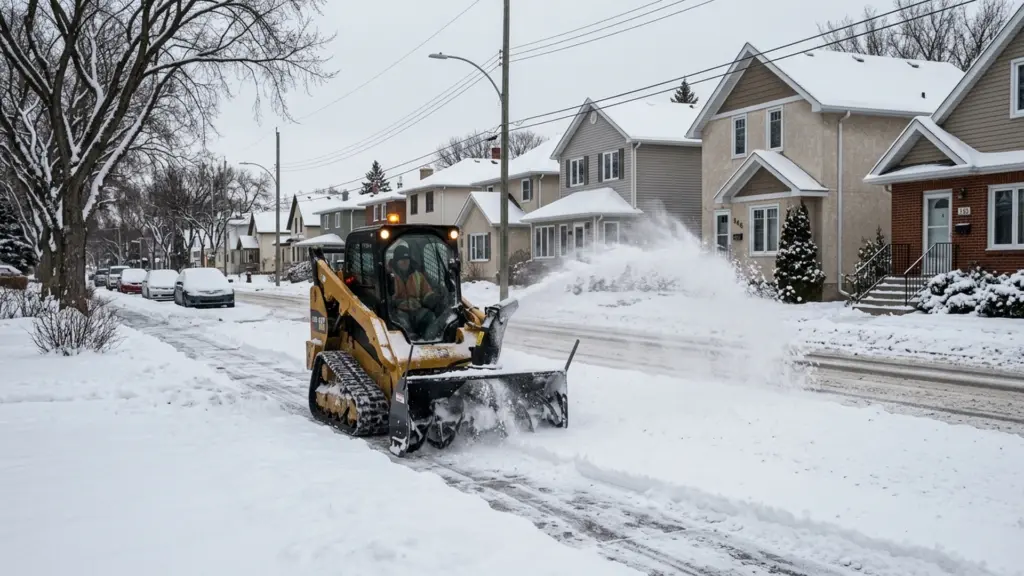
Who Clears the Sidewalk in Winnipeg? What the City Does and What You’re Responsible For Quick Takeaways Winnipeg is one of the…
Read the article →