
Parking Lot Snow Removal Winnipeg: Equipment & Staging
A plow truck, a pusher and a loader do three different jobs, and the pile you start in November is still there…
Read the article →
Canadian appraisers don't assign landscaping a fixed percentage of home value — they adjust for condition relative to comparable sales. The real ROI question is whether your property is below neighbourhood standard. Below standard costs money in appraisal adjustments and buyer discounting. Remediation almost always costs less than the gap it closes. Here's what actually moves value in Winnipeg yards.
Search for “landscaping return on investment” and you will find a range of figures from American sources: 15 to 20 percent value increase, 267 percent ROI on lawn care, 95 to 100 percent cost recovery on patios. These numbers circulate widely and are cited frequently. They are also largely disconnected from how residential property valuation actually works in Canada, and in Winnipeg specifically.
Canadian appraisers do not assign landscaping a fixed percentage of property value. The Appraisal Institute of Canada’s methodology assesses condition and function relative to comparable sales in the same market. What landscaping contributes to value depends entirely on what comparable properties in the neighbourhood have, what condition the subject property’s landscaping is in, and whether the landscaping adds functional outdoor space that buyers in that market are willing to pay for.
That is a more nuanced answer than a percentage, and it is a more honest one. What follows is what actually moves value in Winnipeg yards, grounded in how appraisers assess it and how buyers in this market respond to it.
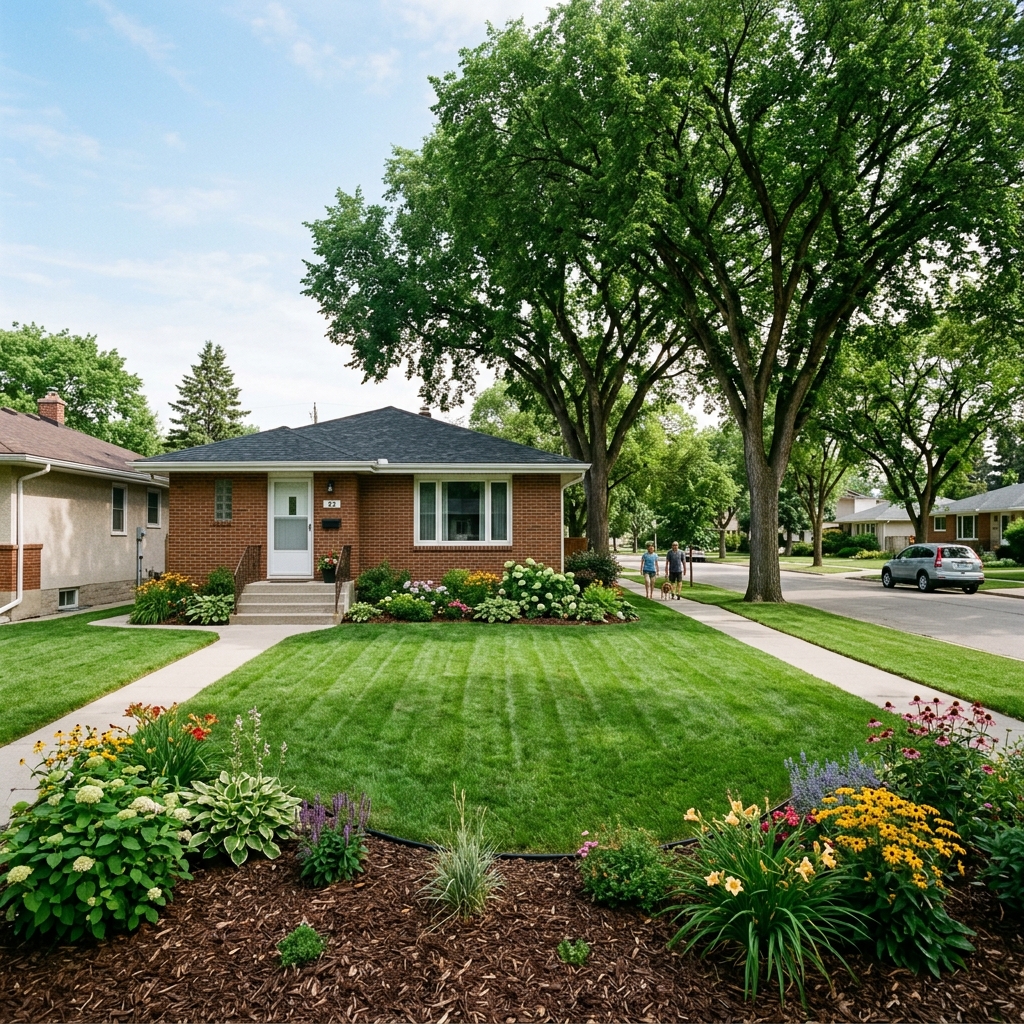
In a residential appraisal, landscaping is assessed as part of the site and exterior condition rating. An appraiser comparing your property to three recent sales in the neighbourhood will make adjustments for differences in condition, and landscaping is one of the condition factors.
The adjustment works in both directions. A property with significantly better landscaping than comparable sales may receive a modest upward adjustment. A property with significantly worse landscaping — dead or overgrown trees, eroded beds, drainage problems visible from the street — will receive a downward adjustment relative to those comparables.
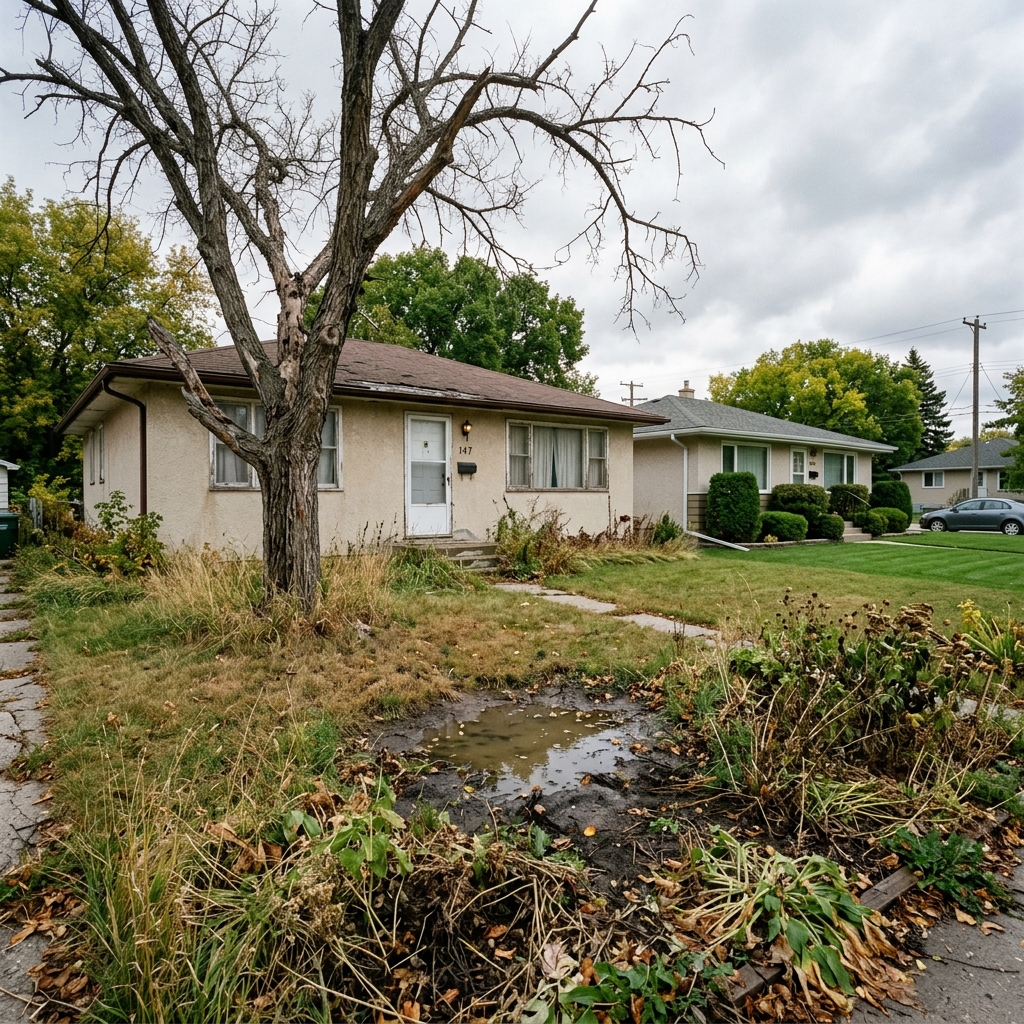
The practical implication: the cost of remediation for neglected landscaping is almost always less than the appraisal adjustment it causes. A property with a dead tree in the front yard, cracked and heaved driveway apron, and visibly poor drainage that appraises $15,000 below comparable sales could often have those conditions corrected for $8,000 to $12,000. The gap between remediation cost and appraisal impact is where the real ROI of landscaping investment sits.
A property with visible drainage problems — standing water in the yard after rain, water running toward the foundation, or a chronically wet basement situation — is a property that buyers discount heavily in Winnipeg. The discount is not just the cost of fixing the drainage; it is the discount buyers apply because they cannot fully assess the extent of the problem during a viewing.
Correcting foundation grade, extending downspouts, and installing surface drainage infrastructure addresses this directly. These are not glamorous improvements, but they remove a condition flag that suppresses both appraised value and buyer confidence. A $6,000 to $10,000 drainage correction on a property where poor drainage has been depressing comparisons has a demonstrably positive impact on sale outcomes. See our drainage solutions guide for how we approach this work on Winnipeg properties.
Mature trees are one of the few landscaping elements that appraisers consistently identify as value contributors in Canadian residential markets. A well-positioned, healthy mature tree provides shade, wind protection, and visual mass that cannot be replicated quickly. Buyers respond to it, and appraisers adjust for its absence on otherwise comparable lots.
The caveat is condition. A mature tree that is diseased, structurally compromised, or positioned to threaten the house or utility lines is not a value contributor; it is a liability. A tree requiring $3,000 to $5,000 in professional removal is a disclosed deficiency that buyers price in. Pre-sale assessment and remediation of tree condition, where warranted, removes that liability before it affects the transaction.
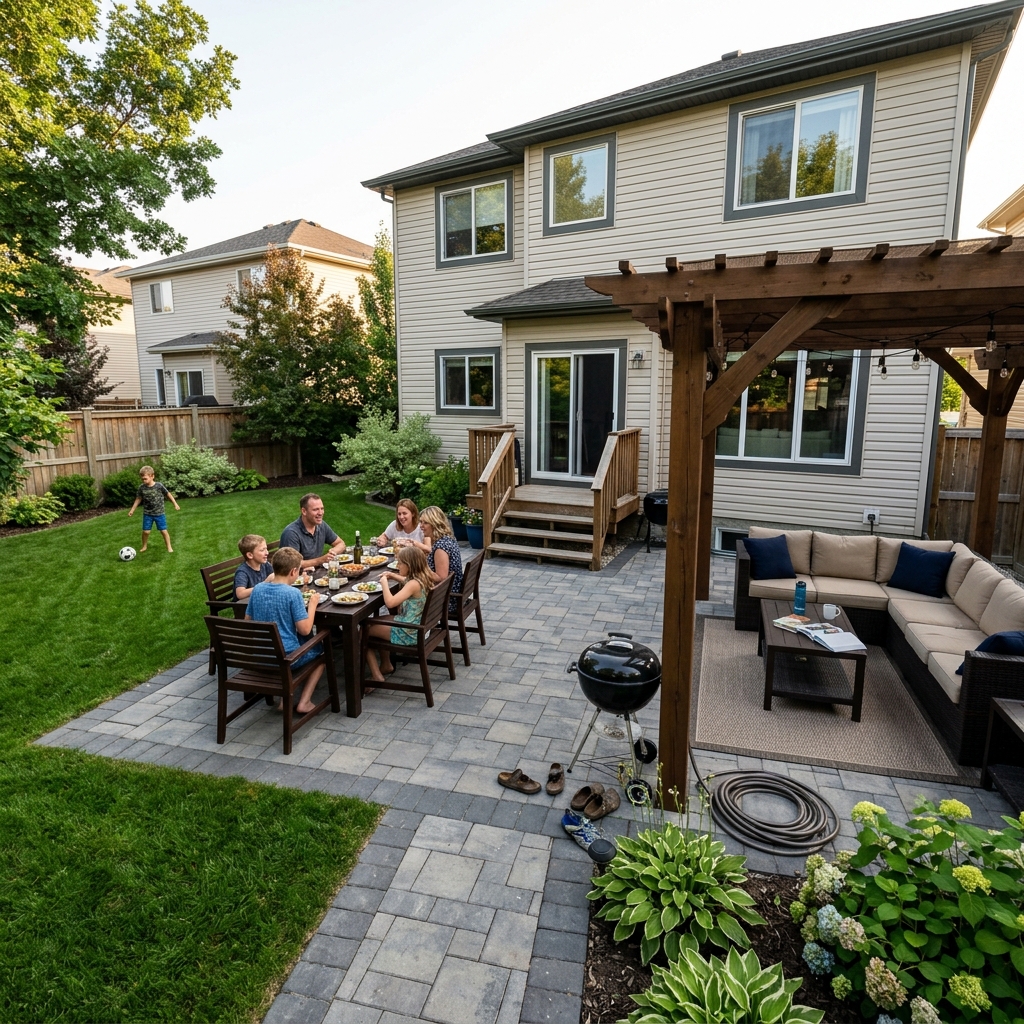
In the current Winnipeg market, buyers who prioritize outdoor living space place real value on usable outdoor rooms: covered patios, functional seating areas, fire features, and outdoor kitchens. These additions extend usable square footage in a climate where indoor square footage is already at a premium during the short outdoor season.
Purely decorative planting — annual flower beds, ornamental features with no functional dimension — does not move appraisal numbers meaningfully. They contribute to first impression and curb appeal, which affects how quickly a property sells and how confidently buyers make offers, but they do not add the functional space that appraisers can measure against comparable sales. See our patios and walkways page and outdoor kitchens guide for what functional outdoor space looks like in Winnipeg.
Appraisers assess condition after the fact. Buyers form impressions before they walk through the door. These are two different mechanisms by which landscaping affects sale outcomes, and conflating them creates confusion about what kind of landscaping investment makes sense.
Poor curb appeal — a property that looks neglected from the street — reduces the pool of buyers who request viewings, weakens the confidence of buyers who do view, and often results in lower initial offers even on properties where the interior is strong. Bringing the exterior presentation up to neighbourhood standard before listing: a well-maintained lawn, defined bed edges, no dead or overgrown plant material, and a functional front walkway, has a clearer impact on offer behaviour and sale speed than any individual landscaping feature. See our curb appeal guide for the specific interventions that matter most.
| Project | Mechanism | Typical Cost | Resale Relevance |
|---|---|---|---|
| Foundation drainage correction | Removes condition flag, reduces buyer discounting | $4,000–$10,000 | High: directly affects appraised condition and buyer confidence |
| Dead or hazardous tree removal | Removes disclosed liability | $500–$3,000/tree | High: deferred tree removal is a negotiating point in most transactions |
| Front lawn and bed cleanup to neighbourhood standard | Restores baseline curb appeal | $500–$3,000 | High: affects offer pool and initial buyer confidence |
| Interlocking driveway or patio | Adds functional outdoor space measurable in comparables | $15,000–$30,000+ | Moderate: recovers well where comparables have similar features |
| Outdoor living space (pergola, fire feature) | Extends usable square footage | $20,000–$50,000+ | Moderate: strong where buyers prioritize outdoor living; diminishing returns above neighbourhood norm |
| Purely decorative plantings | Contributes to curb appeal only | $500–$5,000 | Low to moderate: affects first impression but not appraisal methodology |
The single most reliable principle: bring the property to neighbourhood standard. Do not try to exceed it significantly. Properties that exceed neighbourhood standard in landscaping do not recover the premium in sale price — appraisers use comparable sales to set the ceiling. Properties below neighbourhood standard, however, do pay a real penalty: appraisers adjust downward, buyers discount their offers, and the property often takes longer to sell. The remediation investment to bring a below-standard property to standard almost always returns more than it costs.
For a realistic estimate of what specific landscaping projects cost in Winnipeg, use the Lawn ‘N’ Order cost calculator. For curb appeal context, see our Why Curb Appeal Matters in Winnipeg post.
Should I do major landscaping before listing my home?
It depends on the current condition and what the neighbourhood standard is. If the property is below standard, bringing it up to standard before listing almost always improves both the appraised value and buyer behaviour. If the property is already at or above standard, major new landscaping investment immediately before a sale is unlikely to recover its cost in the sale price. The exception is resolving a specific condition issue — such as drainage or tree risk — that would otherwise be a negotiating point.
Do appraisers assign a specific dollar value to a mature tree?
Not in a simple formula. Appraisers assess whether the presence or absence of mature tree coverage is a meaningful difference from comparable sales. In a neighbourhood where most comparables have mature tree coverage, a property without it may receive a modest downward adjustment. The adjustment reflects the market’s response to the difference, not an arbitrary per-tree dollar value. An ISA-certified arborist can provide a formal tree valuation for insurance or legal purposes if a specific dollar figure is needed.
Does a new patio increase home value in Winnipeg?
A well-built patio can contribute positively to appraised value if comparable sales in the neighbourhood include similar outdoor living space. If no comparable sales include patios, the appraiser has limited basis for an upward adjustment regardless of the patio’s quality. A patio adds value when it brings the property to the functional standard of the neighbourhood, and adds less when it significantly exceeds that standard.
The landscaping investments that consistently return in Winnipeg are the ones that solve a problem or restore a standard — not the ones that chase a percentage from an American market study. Book a site consultation and we will assess what your specific property needs to perform at neighbourhood standard before sale, or to function better as the home you plan to stay in.
Use the Free Calculator Book a Free ConsultationSend the address and a rough idea of scope. We'll walk it, take levels, and give you a written number you can compare line for line.
Keep reading
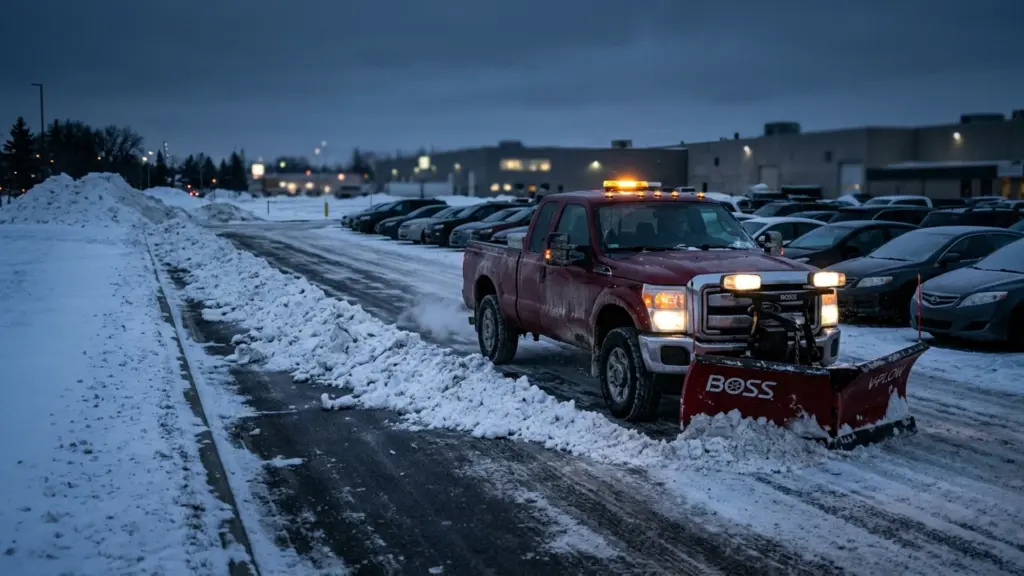
A plow truck, a pusher and a loader do three different jobs, and the pile you start in November is still there…
Read the article →
Holiday Light Installation Winnipeg: Book Before the Ground Freezes Quick Takeaways Holiday light installation in Winnipeg has a short window: crews install…
Read the article →
Who Clears the Sidewalk in Winnipeg? What the City Does and What You’re Responsible For Quick Takeaways Winnipeg is one of the…
Read the article →