
Parking Lot Snow Removal Winnipeg: Equipment & Staging
A plow truck, a pusher and a loader do three different jobs, and the pile you start in November is still there…
Read the article →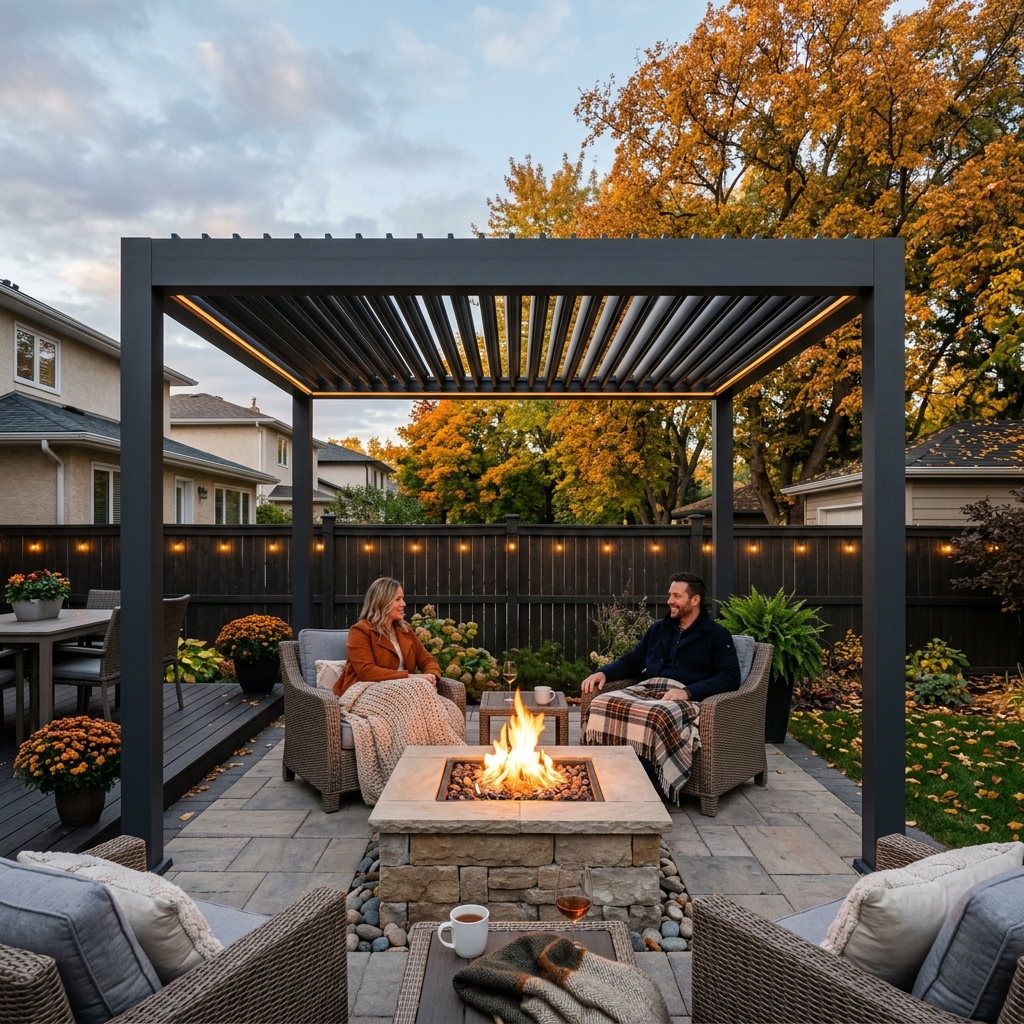
Winnipeg gives you about 120 frost-free days. Most homeowners use about 70 of them. A louvered pergola and a gas fire pit recover the other 6 to 8 weeks — May evenings and September through Thanksgiving — by solving the two things that actually push people inside: overhead exposure and temperature drop. Here's how the combination works and how to design it right.
Winnipeg averages about 120 frost-free days. That is roughly mid-May to early October, though the reliable warm evenings sit in an even tighter window. Most homeowners get comfortable outdoor use from late June through August — about 10 weeks — and then write off the rest of the calendar as too unpredictable.
That math is worse than it needs to be. The shoulder months — May and September through Thanksgiving — are often the most pleasant days of the year. Cooler temperatures, no mosquitoes after September, spectacular fall light. The reason most backyards sit unused during those weeks is not the weather itself. It is that most backyards are only designed to work in July.
A louvered pergola and a gas fire pit are the two specific tools that fix this. Not because they make cold nights warm, but because they address the two things that actually push people inside: rain and wind overhead, and temperature dropping faster than expected. Solve those two problems and the shoulder months become genuinely usable.
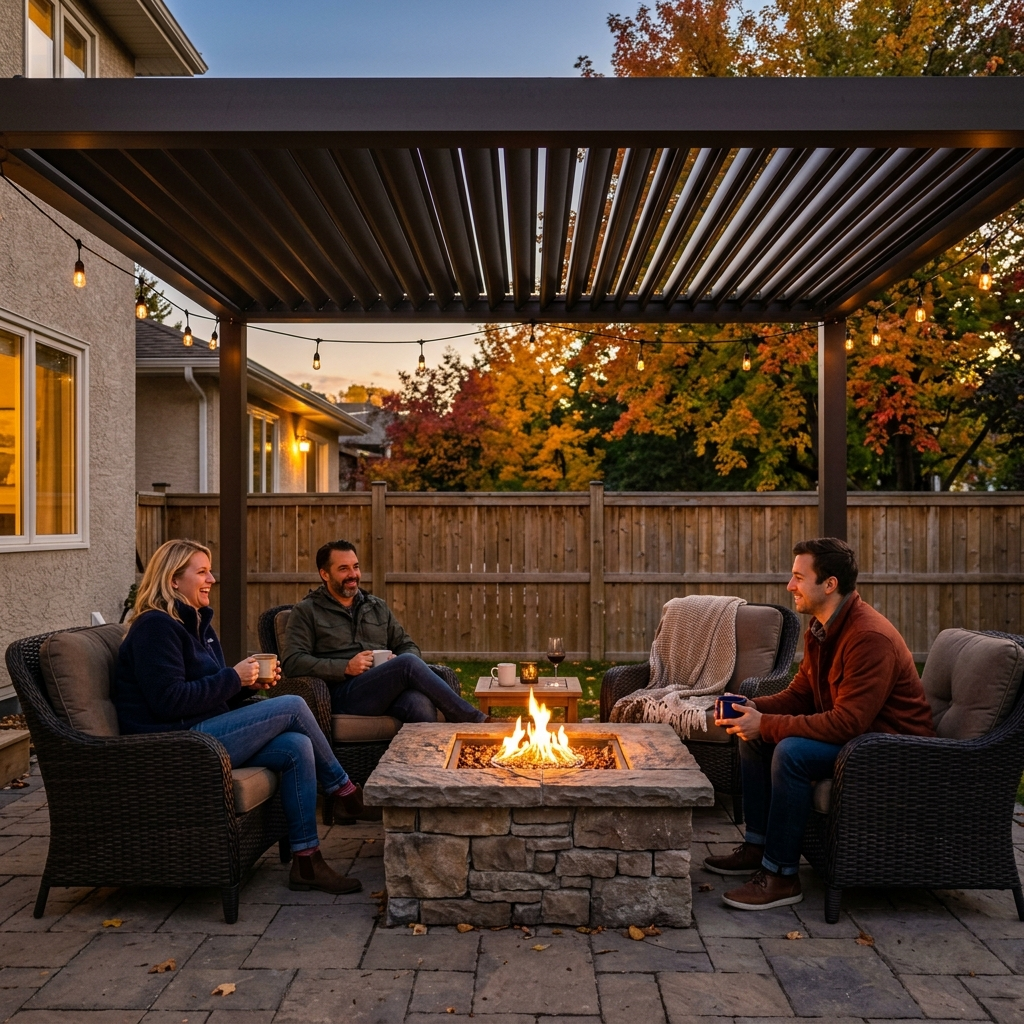
A fixed pergola provides partial shade in summer. A louvered pergola does something more useful for Winnipeg: it gives you a roof you can open or close in about 30 seconds depending on conditions. Close the louvers when rain rolls in. Open them when you want airflow and sun. Close them in May and September to trap the heat rising from the fire pit below.
That last point is the one most people underestimate. A closed louvered pergola over a fire feature creates a radiant heat pocket. The heat from the fire that would normally dissipate into open sky gets reflected back into the space. A 10-degree evening under a closed pergola with a gas fire running at moderate output feels closer to 15 or 16 degrees. That difference is the entire gap between sitting outside comfortably and heading inside.
For full detail on pergola types, materials, frost footing requirements, and costs, see our Pergola Winnipeg guide.
A fire pit is the reason you actually stay outside instead of just having the option to. The pergola handles overhead conditions. The fire pit handles ambient temperature. Together they shift the threshold of comfortable outdoor use by several degrees in each direction.
Gas fire pits are the practical choice for most Winnipeg residential yards. Instant on, no smoke under a closed pergola roof, consistent heat output you can dial up or down, and no wood storage. A natural gas line run during the landscape build is a one-time cost with no ongoing fuel management. Under a louvered pergola, a gas fire pit also eliminates the ventilation concern that makes wood-burning features impractical in enclosed or semi-enclosed overhead structures.
For full detail on fire pit types, gas vs. wood, City of Winnipeg bylaw requirements, and costs, see our Fire Pit Winnipeg guide.
The City of Winnipeg does permit wood-burning fire pits in residential yards, contrary to what some sources suggest. The requirements under the Neighbourhood Liveability By-law are: an approved non-combustible receptacle, a minimum 10-foot setback from structures and property lines, a spark arrestor screen, clean dry wood only, no burning when wind exceeds 25 km/h, and compliance with any active fire bans. No permit is required for residential wood-burning fire pits that meet these conditions.
The practical limitation for the pergola combination is not regulatory. It is ventilation. A wood-burning fire under a closed pergola roof produces smoke that makes the space uncomfortable regardless of what the bylaw says. For pergola integration specifically, gas is the right choice. For open-air fire features away from overhead structure, wood-burning is a legitimate option. See the fire pit guide for the full breakdown.
| Period | Without Pergola & Fire Pit | With Pergola & Fire Pit |
|---|---|---|
| May evenings | Too cold after 7pm. Go inside. | Louvers closed, fire at moderate output. Usable to 9 or 10pm. |
| June to August | Core outdoor season. Fully usable. | Fully usable plus rain coverage. No lost barbecue days. |
| September | Usable midday. Evenings marginal. | Evenings comfortable with fire running. Full-day use extended. |
| October (pre-frost) | Written off by most homeowners. | Canadian Thanksgiving weekend genuinely comfortable outdoors. |
The six to eight weeks figure is not hypothetical. It reflects what clients who have the combination actually report using. The May weeks and the September-October weeks are where the time comes from.
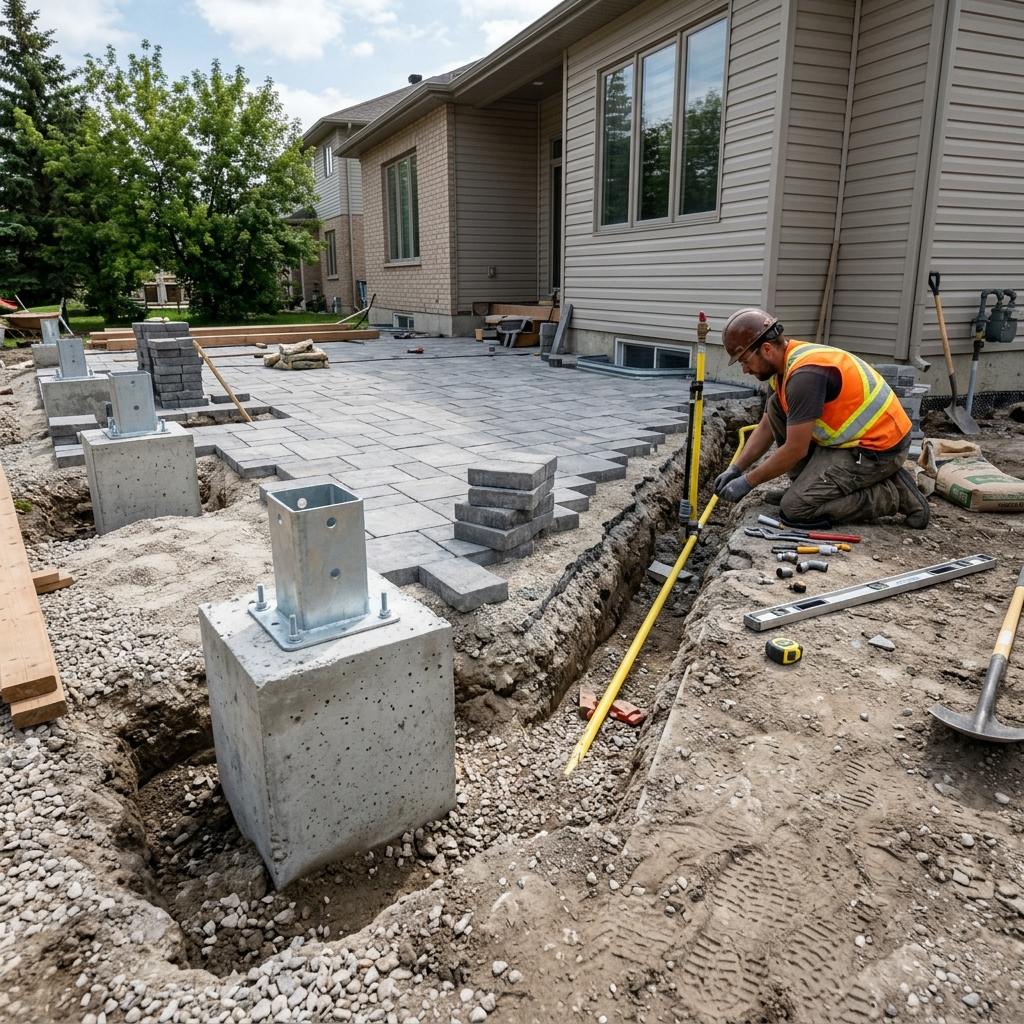
The biggest design mistake with a pergola and fire pit combination is treating them as two separate decisions. The pergola footprint needs to be sized to contain the fire feature and the seating arrangement, not just cover the existing patio. The fire pit position relative to the pergola columns determines both the heat distribution and the sightlines. The louver orientation affects how the heat pocket forms.
Gas line rough-in, electrical for the louver motor and any lighting, and structural footings for the pergola columns all need to be coordinated before any surface work begins. Running a gas line after the patio is complete costs more and requires disrupting finished hardscape. Planning both features as a single outdoor room from the start eliminates those sequencing costs.
If a patio is already in place, the pergola footings need to be positioned so the columns land on or adjacent to the existing hardscape rather than requiring core drilling through it. For patios being built at the same time, the patio layout should be designed around the pergola footprint. See our patios and walkways page for how we approach combined patio and pergola builds.
String lights or integrated LED strips under the pergola rafters extend the usable hours of the outdoor room into the evening without requiring separate fixture installation. Coordinating electrical rough-in during the pergola build rather than retrofitting it later is a straightforward decision that most homeowners are glad they made.
If an outdoor kitchen is anywhere in the plan, the natural gas rough-in for the grill and the fire pit can be run from the same source during the same build. Separate gas projects later cost significantly more. See our outdoor kitchens guide for how we coordinate multi-feature gas builds.
Does the pergola need to be louvered for this to work?
Not for the fire pit to function, but yes for the shoulder-season heat retention benefit. A fixed-roof pergola provides rain coverage year-round, which adds value on its own. The ability to close louvers over the fire feature and trap radiant heat is what specifically extends use into May and October. If shoulder-season extension is the goal, the louvered option is worth the additional cost. See the pergola guide for a full comparison of fixed vs. louvered options and their respective costs.
Can we add these features to a backyard that already has a patio?
Yes, though coordination is more involved than a ground-up build. Pergola footings need to work around existing hardscape. Gas line routing depends on where the existing patio sits relative to the house. The integration is doable; it just requires more planning than building everything at once. Book a site consultation and we will assess what the sequencing looks like for your specific property.
How far in advance should we book for a pergola and fire pit build?
For a spring or summer build, book in January or February. The design, permitting, and material lead times for a louvered aluminum pergola with gas infrastructure typically run 8 to 12 weeks from consultation to build start. Homeowners who call in June wanting a July installation are almost always disappointed. The clients who have the finished outdoor room ready for the May long weekend are the ones who started planning in winter.
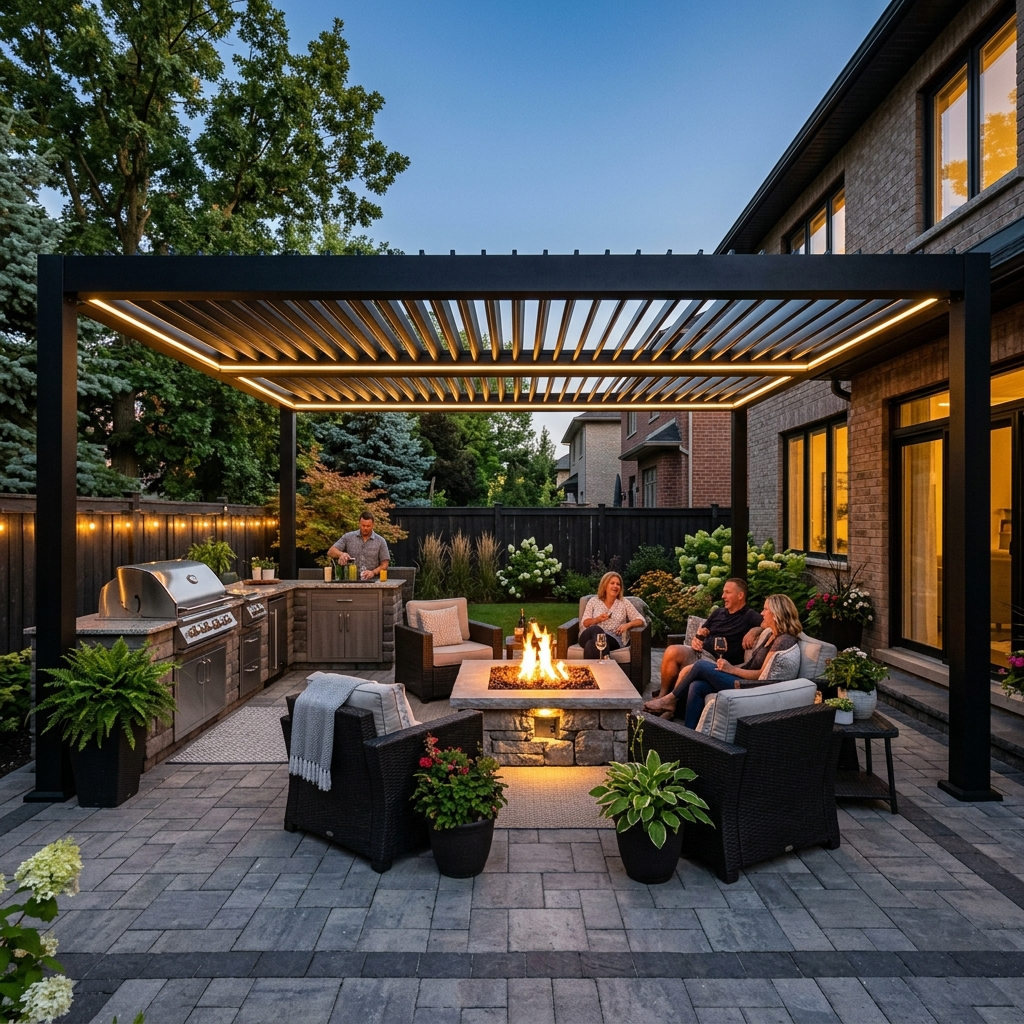
Lawn ‘N’ Order has been building outdoor living spaces across Winnipeg since 1993. Book a free consultation and we will come take a look at your yard, assess the pergola and fire pit positioning, and show you what an integrated outdoor room looks like on your specific property. No pressure, no commitment. Just a clear picture of what is possible.
Use the Free Calculator Book a Free ConsultationSend the address and a rough idea of scope. We'll walk it, take levels, and give you a written number you can compare line for line.
Keep reading
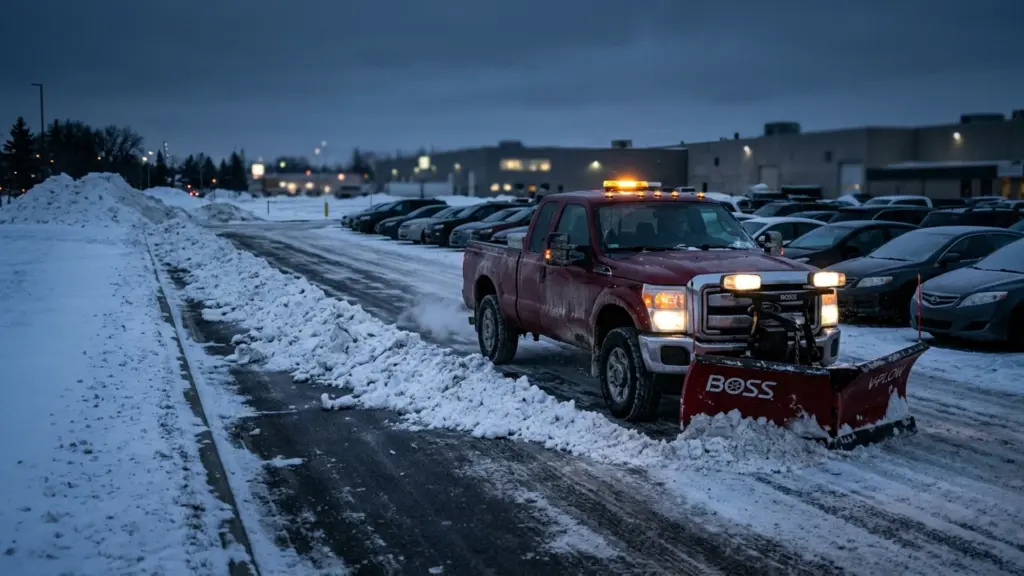
A plow truck, a pusher and a loader do three different jobs, and the pile you start in November is still there…
Read the article →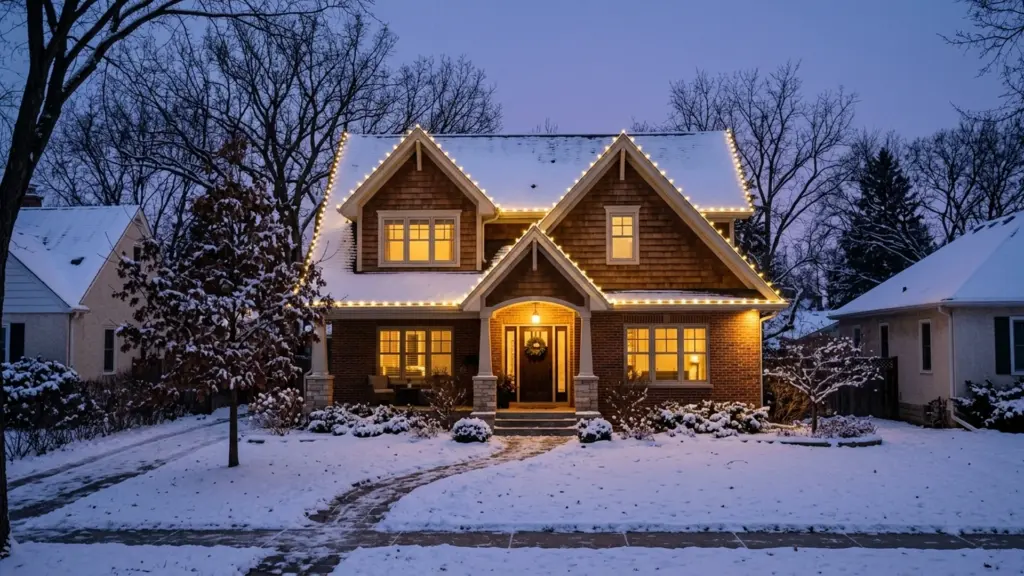
Holiday Light Installation Winnipeg: Book Before the Ground Freezes Quick Takeaways Holiday light installation in Winnipeg has a short window: crews install…
Read the article →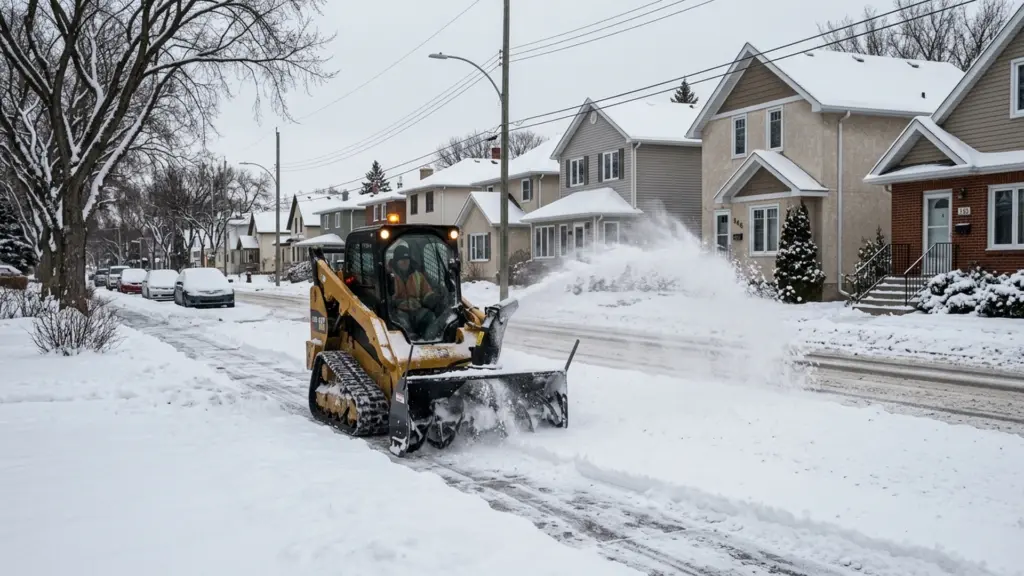
Who Clears the Sidewalk in Winnipeg? What the City Does and What You’re Responsible For Quick Takeaways Winnipeg is one of the…
Read the article →