
Parking Lot Snow Removal Winnipeg: Equipment & Staging
A plow truck, a pusher and a loader do three different jobs, and the pile you start in November is still there…
Read the article →
Design slip-resistant driveways and walkways for Winnipeg winters. Learn about textured finishes, traction materials, proper slopes, and safety-focused hardscape design preventing winter accidents.
Winter safety begins long before the first snowfall; it starts in the design phase of driveways, walkways, and outdoor surfaces. While most homeowners focus on snow removal and ice control as their primary winter safety strategies, professional landscape design recognizes that surface characteristics, material selection, and drainage planning determine whether pathways remain safely navigable or become hazardous ice rinks.

Understanding traction-focused design principles empowers property owners to make informed decisions that protect family, visitors, and delivery personnel throughout Manitoba’s challenging winter months. Design safety isn’t just about preventing accidents; it’s about extending hard-scape lifespan while reducing maintenance demands and liability exposure.
Slip resistance is measured scientifically through the coefficient of friction (COF), the ratio between the force required to move an object across a surface and the object’s weight. Research from the American Society for Testing and Materials (ASTM) establishes that surfaces with COF values below 0.50 present slip hazards, while values above 0.60 provide adequate traction for most conditions.
Winter conditions dramatically reduce traction. Dry concrete typically measures COF 0.70-0.90, but moisture reduces this to 0.50-0.60, while ice drops values to a catastrophic 0.05-0.15 according to University of Michigan safety engineering research. This explains why surfaces safe during summer become treacherous once winter precipitation arrives.
Material texture affects COF more significantly than material type. Smooth concrete and polished stone provide minimal traction regardless of their inherent material properties, while textured versions of the same materials deliver substantially better winter performance through mechanical grip independent of ice formation.
Standard smooth concrete common in older driveways and walkways, presents significant winter hazards. The troweled finish that creates an attractive appearance when dry becomes dangerously slippery when wet or icy. Statistics Canada data indicate that slip-and-fall accidents increase 300-400% during winter months, with smooth concrete surfaces contributing disproportionately to these incidents.
Broom-finished concrete improves traction through parallel grooves created by dragging a stiff broom across fresh concrete. This simple texture modification increases winter COF by 20-30% compared to smooth finishes, according to Portland Cement Association testing, substantial improvement requiring no additional materials or cost.
Exposed aggregate reveals stone particles embedded in concrete surface, creating excellent mechanical traction. This finish maintains effectiveness even when wet or icy, as the protruding stones provide grip that smooth surfaces cannot match. The National Research Council of Canada recommends exposed aggregate for high-traffic pedestrian areas in harsh winter climates.
Interlocking pavers with textured surfaces combine material durability with inherent traction advantages. The joints between pavers create additional grip points, while surface textures prevent smooth ice sheet formation. Research from the Interlocking Concrete Pavement Institute demonstrates 35-45% better winter traction compared to equivalent smooth concrete surfaces.
Natural stone with thermal finish (flame-textured) provides premium traction through crystalline surface roughness created by high-temperature treatment. While more expensive than concrete alternatives, thermal granite or limestone delivers exceptional winter performance justifying investment for high-priority areas including front entrances and high-visibility walkways.
Specify appropriate textures during design rather than accepting default smooth finishes. At Lawn ‘N’ Order, our hardscape designs incorporate texture specifications matching usage intensity and winter exposure:
Texture orientation matters. Broom that finishes perpendicular to the primary traffic direction provide optimal traction, and grooves running across the walkway width prevent foot slippage in the walking direction. This detail separates professional installations from amateur approaches that overlook directional traction considerations.
Traction-enhancing sealers incorporate fine aggregate particles, creating textured surface layers while providing moisture protection. Unlike smooth sealers that actually reduce winter traction, these specialized products increase COF by 15-25% according to manufacturer testing, delivering both protection and performance.
Application timing affects long-term performance. Fall application (September-October) provides winter protection while allowing proper curing before freeze arrives. The Concrete Foundations Association recommends sealing frequency every 2-3 years for residential applications, with high-traffic commercial areas requiring annual treatment.
Product selection requires expertise. Not all sealers enhance traction; many create glass-smooth surfaces that exacerbate winter slip hazards. Professional specification ensures products deliver both moisture protection and winter safety rather than compromising one for the other.
Proper drainage slopes prevent water accumulation that creates ice hazards while maintaining adequate traction for safe winter navigation. The optimal slope balances competing requirements:
Research from the University of Toronto accessibility studies indicates that slopes exceeding 8% (1:12 ratio) present difficulties for mobility-impaired users even without ice, while inadequate slopes below 2% allow water pooling that freezes into hazardous ice sheets.
Multi-directional grading ensures water moves off surfaces rather than accumulating in low spots. Professional design analyzes entire surface drainage patterns, eliminating the depressions where water pools and freezes. This attention prevents ice formation rather than fighting it through de-icing applications, proactive rather than reactive winter management.
Radiant heating systems embedded in concrete or beneath pavers provide premium winter safety through active ice prevention. While representing a significant investment, these systems deliver:
Salt-finished concrete creates light texture suitable for patios and pool decks but insufficient for Manitoba winter conditions. While better than smooth finishes, salt finishes alone don’t provide the traction levels recommended for reliable winter safety.
Stamped concrete with texture additives can achieve acceptable winter performance when properly specified. However, many stamped installations prioritize appearance over traction, creating beautiful surfaces that become dangerously slippery. Professional installations balance aesthetic goals with safety requirements, refusing to compromise winter performance for appearance.
Surface texture specification should explicitly address winter traction. Smooth-surfaced pavers marketed for contemporary aesthetics present winter hazards unless treated with traction-enhancing sealers. Textured or tumbled pavers provide inherent traction without additional treatments.
Joint sand selection affects winter performance. Polymeric sand that hardens creates a stable surface less prone to ice formation compared to traditional mason sand that washes away, leaving voids where ice forms. Research from the Interlocking Concrete Pavement Institute confirms a 40-50% reduction in winter slip incidents on polymeric sand installations versus traditional sand joints.
Finish selection determines winter safety more than stone type. Polished granite, while beautiful, becomes lethally slippery when wet or icy. The same granite with thermal, honed, or sandblasted finish provides excellent winter traction while maintaining a premium appearance.
Cleft stone with natural split surfaces offers outstanding traction at lower cost than processed finishes. Flagstone, slate, and quartzite naturally cleave along crystalline planes, creating textured surfaces ideal for winter safety without additional processing.
Proper design reduces winter accidents by 60-80% compared to generic installations, according to insurance industry studies analyzing slip-and-fall claims. This dramatic reduction stems from addressing traction during design rather than attempting to compensate for poor surfaces through increased maintenance or chemical de-icing.
The Canadian Institute for Health Information reports that winter slip-and-fall injuries cost the healthcare system over $2.8 billion annually. While individual homeowner liability represents a tiny fraction of this total, single slip-and-fall incidents on residential property can result in injury, liability exposure, and increased insurance costs far exceeding investment in proper design.
Traction-focused design costs 10-20% more than basic smooth surfaces but delivers value through:
Studies from the Appraisal Institute indicate that safety-focused hardscape design can increase property values by 5-8%, particularly valuable in markets where winter safety concerns affect buyer decisions.
At Lawn ‘N’ Order, our design process prioritizes winter safety as a fundamental requirement rather than an optional upgrade. This philosophy recognizes that Manitoba’s climate demands approaches exceeding generic standards developed for milder regions.
Our experience with hundreds of Winnipeg installations provides insights about which materials, textures, and designs deliver reliable winter performance versus those that create maintenance headaches or safety concerns. This knowledge protects clients from expensive mistakes while ensuring satisfaction through decades of reliable winter performance.
Winter safety begins with proper design, not with snow shovels and ice melt. Understanding how surface characteristics, material selection, and drainage planning affect winter traction empowers informed decisions protecting people and property throughout Manitoba’s challenging winter conditions.
Design safety represents insurance protecting your family, visitors, and property value. The relatively modest investment in traction-focused design prevents accidents, reduces maintenance demands, and extends hardscape lifespan, value propositions justifying attention to winter performance during initial planning and construction phases.
Planning new driveways, walkways, or outdoor surfaces? Contact Lawn ‘N’ Order for a professional design consultation incorporating winter safety as a fundamental requirement.
Don’t wait for winter accidents to reveal design deficiencies. Proper planning today prevents the liability, expense, and heartache that inadequate winter safety creates tomorrow.
Send the address and a rough idea of scope. We'll walk it, take levels, and give you a written number you can compare line for line.
Keep reading
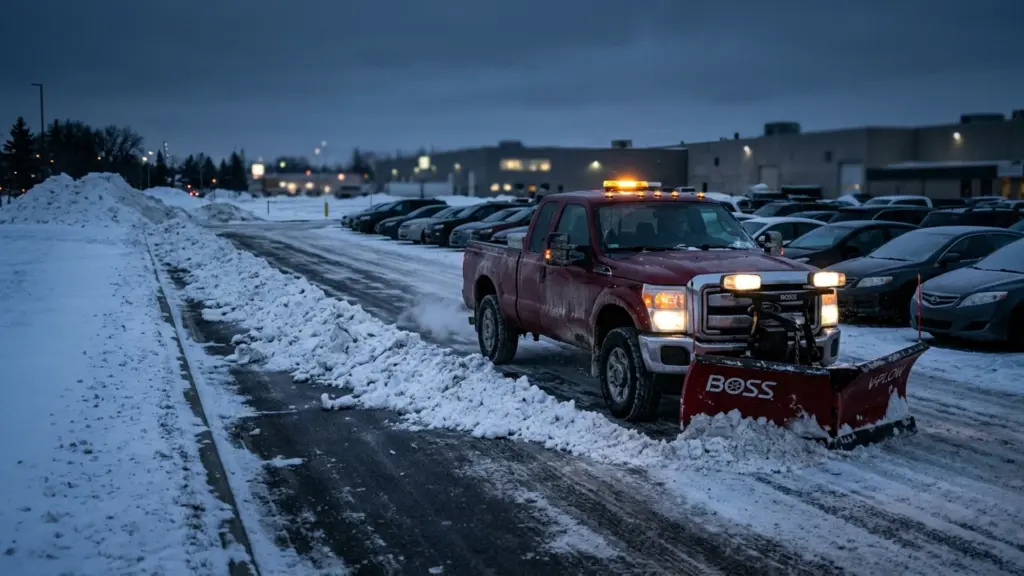
A plow truck, a pusher and a loader do three different jobs, and the pile you start in November is still there…
Read the article →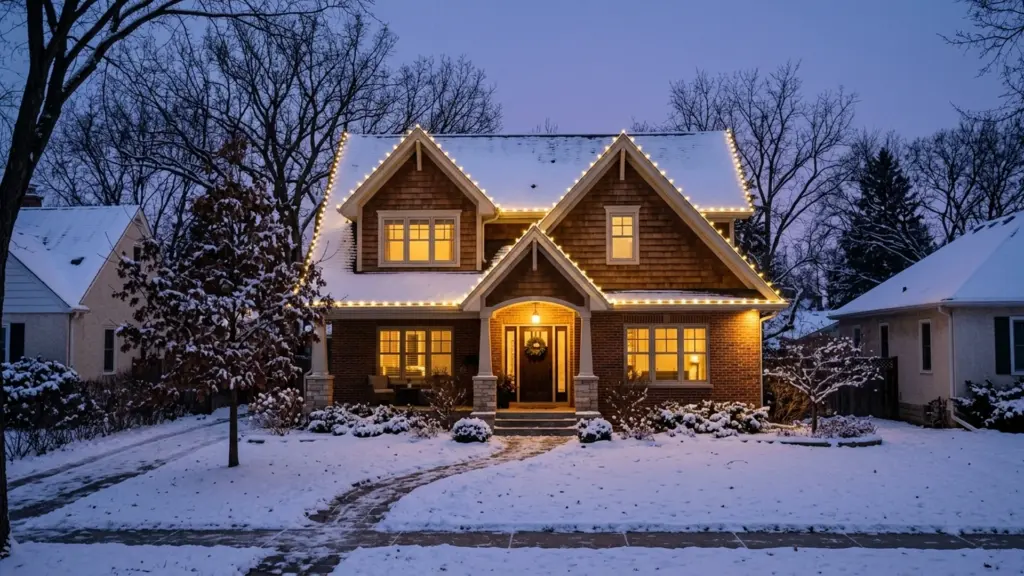
Holiday Light Installation Winnipeg: Book Before the Ground Freezes Quick Takeaways Holiday light installation in Winnipeg has a short window: crews install…
Read the article →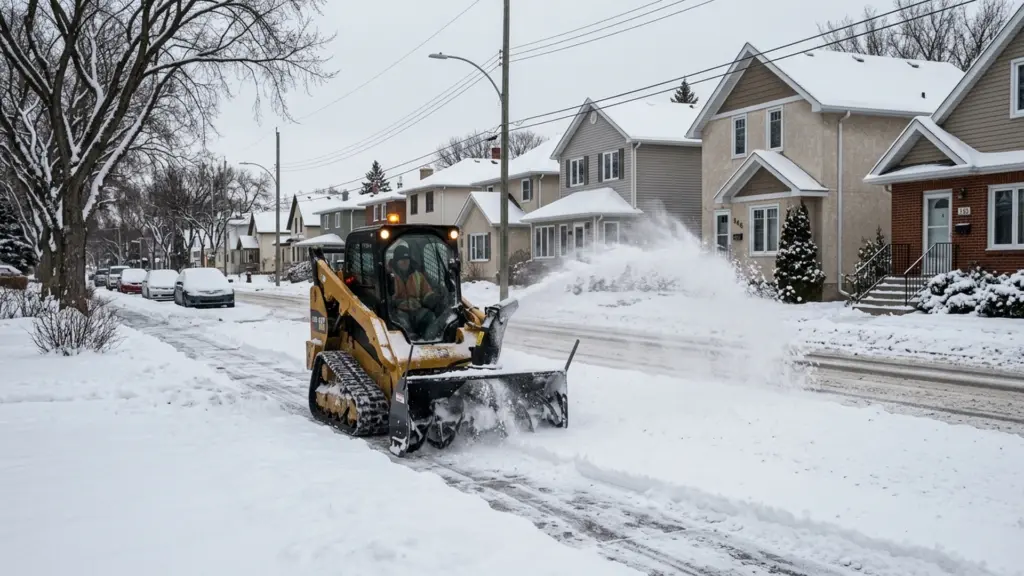
Who Clears the Sidewalk in Winnipeg? What the City Does and What You’re Responsible For Quick Takeaways Winnipeg is one of the…
Read the article →