Spring Cleanup Winnipeg: Complete Yard Recovery Guide After Manitoba Winters
- Spring cleanup window: mid-April to mid-May, after final frost but before active growth
- Essential services: debris removal, power raking, core aeration, garden bed preparation
- Professional spring cleanup typically runs $200–$500+ depending on property size and scope
- Winnipeg’s clay soil and harsh winters make spring cleanup critical for lawn recovery
- Skipping spring cleanup leads to disease, poor drainage, and a wasted growing season
The snow finally melts. You look at your yard. It’s not pretty.
Dead grass matted down from months of snow load. Branches scattered everywhere. Sand and salt residue from winter road maintenance. That soggy, brown mess is what passes for a lawn after a Manitoba winter. And you have maybe six weeks before the growing season kicks into high gear.
Spring cleanup Winnipeg homeowners request isn’t optional maintenance. It’s the difference between a lawn that recovers and thrives versus one that struggles all summer. Experienced Winnipeg landscapers know this window matters more here than almost anywhere else in Canada.
Why Spring Cleanup Matters More in Winnipeg
Winter Damage: What Manitoba Winters Do to Your Yard
Our winters are brutal on landscapes. Temperatures hit -30°C and below. Heavy snow loads compress the grass for five months straight. Ice storms snap branches. These conditions create unique challenges that require specific spring recovery strategies.
Then there’s the freeze-thaw cycle from March through May. Ground that was frozen solid thaws from the top down, creating saturated soil sitting on top of frozen ground that can’t absorb anything. Water pools. Snow mould spreads. Roots suffocate. Every day you delay cleanup is a day your lawn falls further behind.
The Short Growing Season Problem
Winnipeg’s growing season runs roughly from mid-May through late September — about 130 days. Compare that to Vancouver’s 250+ days or even Toronto’s 180 days. We have significantly less time for lawns to recover, establish, and build strength before the next winter hits.
A lawn that enters June still struggling from winter damage never fully catches up. It stays thin, weak, and vulnerable to drought stress, weed invasion, and disease all summer long. Professional spring preparation isn’t a luxury here — it’s foundation work.
What Does Professional Spring Cleanup Include?
Debris Removal and Initial Assessment
The first step is clearing everything winter left behind: fallen branches, accumulated leaves, sand and salt deposits, and garbage that blew in during storms. This isn’t just about aesthetics. Debris blocks sunlight, traps moisture, and creates perfect conditions for fungal disease.
A thorough assessment identifies what survived winter and what didn’t. Damaged shrubs need pruning. Dead plants need removal. Areas with drainage problems need attention before they become bigger issues.
Power Raking and Dethatching
Thatch is the layer of dead grass, roots, and organic matter that accumulates at the soil level. Some thatch is normal. Too much — over half an inch — prevents water, air, and nutrients from reaching the root zone.
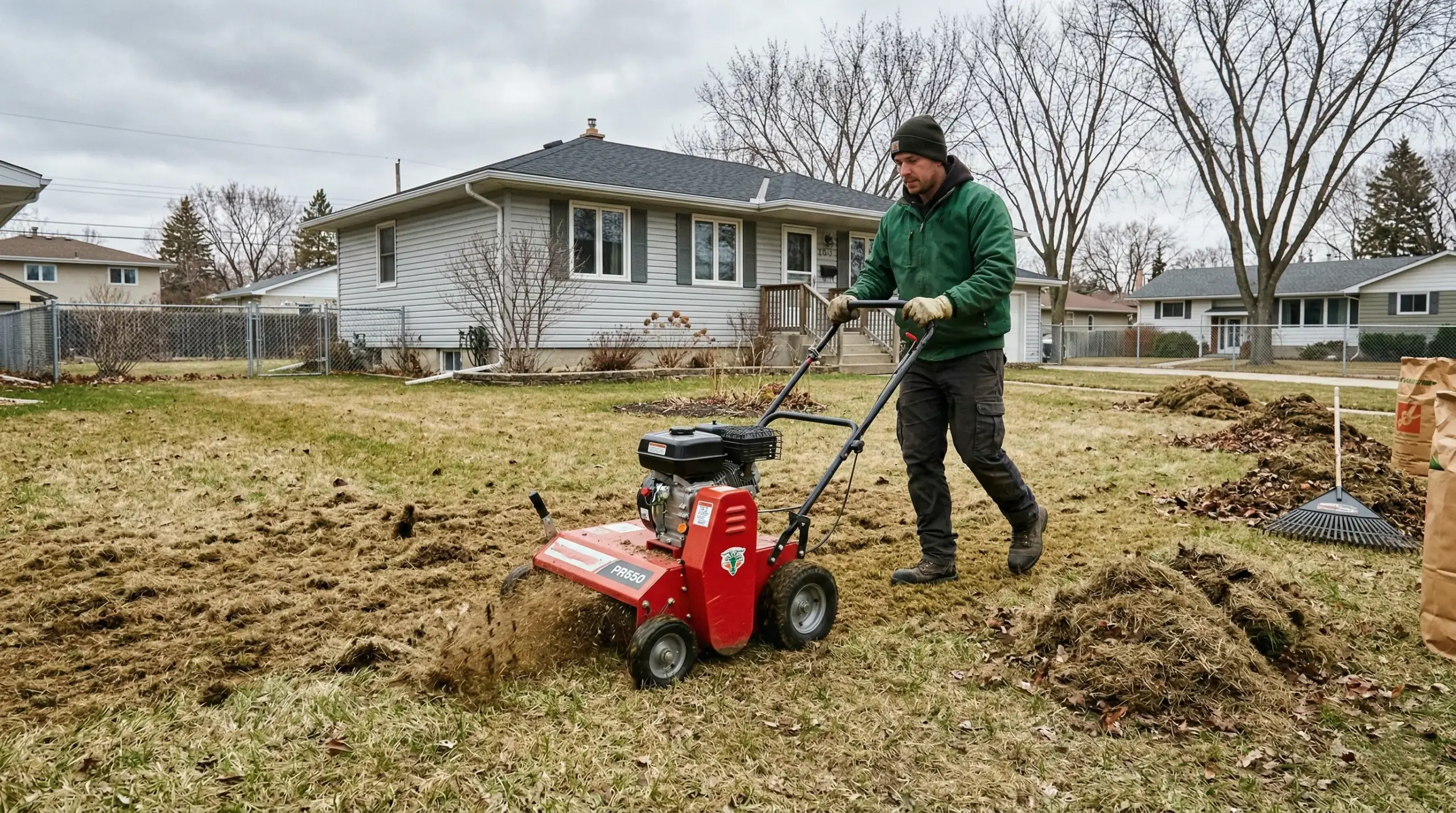
Power raking mechanically removes excess thatch and lifts matted grass blades, opening the lawn to sunlight and air circulation. For most Winnipeg properties, this single service makes the biggest visible difference in spring recovery.
Power raking removes thatch buildup and lifts matted grass — one of the most impactful steps in Winnipeg spring lawn recovery.
Core Aeration for Clay Soil
Winnipeg sits on some of the heaviest clay soil in Canada. This soil compacts easily, especially after months of snow pressure. Compacted soil means grass roots can’t access water, oxygen, or nutrients effectively.
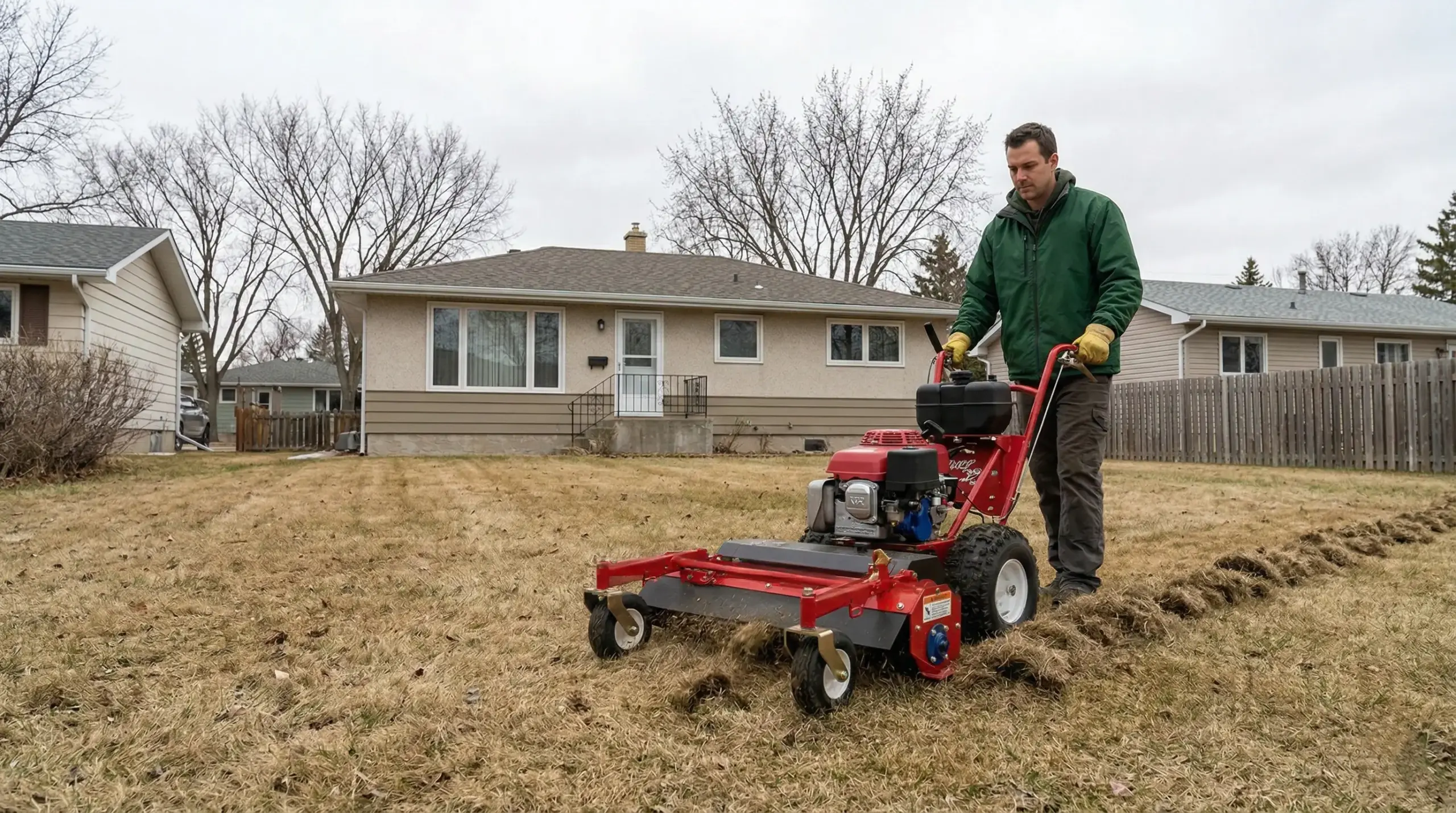
Core aeration punches small holes throughout the lawn, removing plugs of soil and creating channels for air, water, and nutrients to reach the root zone. For properties with heavy clay, this service is essential — not optional — for long-term lawn health.

Winnipeg’s heavy clay soil compacts easily and restricts root growth. Core aeration creates the channels roots need to access water, air, and nutrients.
Garden Bed Cleanup and Preparation
Garden beds need attention too. Removing dead foliage from perennials, clearing accumulated leaves and debris, light cultivation of the soil, and fresh mulch application. This preparation ensures plants emerge healthy and gardens look presentable as the season begins.
When Should You Schedule Spring Cleanup in Winnipeg?
Reading the Signs: Soil Temperature and Moisture
The ideal window falls between mid-April and mid-May, but exact timing varies year to year. You’re looking for specific conditions: nighttime temperatures consistently above -5°C, soil that’s thawed but not waterlogged, and grass that’s starting to show green at the base.
Test soil readiness by squeezing a handful. If it crumbles, you’re good. If it forms a muddy ball, wait a few more days. Working on waterlogged soil causes compaction and can damage turf.
The Two-Week Window You Don’t Want to Miss
There’s typically a two-week sweet spot when conditions are perfect for cleanup. Too early and you’re working on frozen or saturated ground. Too late, and actively growing grass makes power raking more stressful on the lawn.
Professional services book up fast during this window. Most landscaping companies in Winnipeg start taking spring bookings in February and March. Waiting until the ground thaws to call usually means waiting longer for an appointment.
How Much Does Spring Cleanup Cost in Winnipeg?
Pricing Factors
Spring cleanup costs vary based on property size, services included, and current condition. Here’s what to expect for most residential properties:
| Service Package | Typical Price Range |
|---|---|
| Basic cleanup (debris removal) | $200 – $400 |
| Comprehensive (debris + power raking + aeration) | $400 – $600+ |
| Full service including garden bed prep | $500 – $800+ |
These packages go beyond simple debris removal. Power raking reduces thatch buildup, aeration relieves soil compaction from winter freeze-thaw cycles, and garden bed work restores edges, removes compacted debris, and prepares your landscape for the growing season. For larger or more established properties, additional detail and labour will impact pricing.
For homeowners who prefer predictable budgeting, a 12-month maintenance agreement spreads annual services evenly across the year — no balloon payments, no surprises. Your property stays on schedule, and you get your weekends back.
Spring Cleanup and Your Larger Landscaping Goals
Spring cleanup isn’t just about recovering from winter. It’s the time to assess what larger projects your property needs.
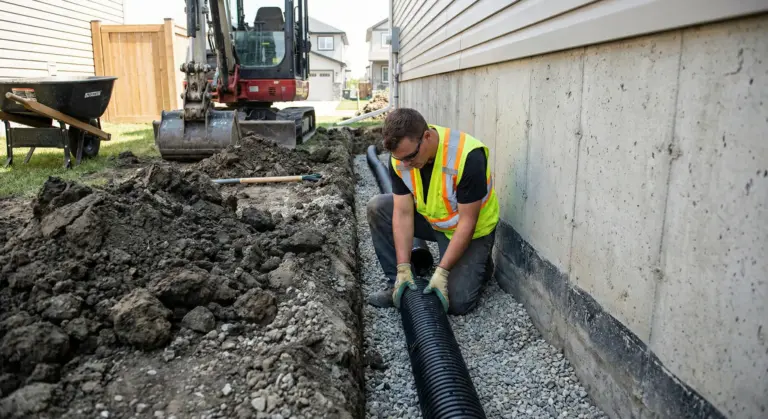
Notice drainage problems? Standing water in the same spots every spring signals that drainage solutions are needed. See areas where grass never recovers? That might be a candidate for hardscaping or xeriscaping. Planning a patio or walkway project? Spring cleanup reveals the true condition of your yard and helps inform those decisions.
DIY Spring Cleanup vs. Professional Service
Basic debris removal and garden bed cleanup are manageable DIY tasks if you have the time. Power raking and core aeration require specialized equipment that most homeowners don’t own. Renting equipment is possible, but it adds cost and complexity.
The bigger factor is timing. Professionals can complete a full cleanup in a few hours with a crew and commercial equipment. DIY often stretches across multiple weekends, pushing completion past the optimal window. For many homeowners, professional service makes more sense when factoring in time, equipment, and results.
Frequently Asked Questions
Can I start spring cleanup while there’s still snow in shaded areas?
You can work on cleared areas while waiting for shaded spots to melt. Just avoid walking on or working on frozen or saturated ground. Focus on sunny areas first and come back to shaded zones as they dry out.
How long after spring cleanup should I wait to fertilize?
Wait at least two weeks after power raking before fertilizing. The lawn needs time to recover from dethatching stress. If you aerate, you can fertilize immediately after — the holes help nutrients reach the roots directly.
Should I combine spring cleanup with lawn repair services?
Yes. Spring is ideal for overseeding bare patches and addressing thin areas. The combination of aeration, seeding, and fertilization gives grass the best chance to establish before summer heat arrives.
My lawn has white or gray patches after the snow melts. What is that?
That’s likely snow mould, a fungal disease common in Winnipeg. Light cases recover with raking and sun exposure. Severe cases may need treatment and reseeding. A professional assessment can determine the best approach for your lawn.
Start Your Growing Season Right
Spring cleanup sets the foundation for everything that follows. A lawn that enters the growing season clean, aerated, and healthy has the best chance of thriving through Winnipeg’s short but intense summer.
At Lawn ‘N’ Order, our property maintenance services include a comprehensive spring cleanup designed for Manitoba conditions. We understand the timing, the techniques, and the challenges specific to our climate.
Book Your Spring Cleanup
The window is short. Spots fill fast. Your lawn is counting on you to give it the fresh start it needs.
Get a Free Quote