Xeriscaping Winnipeg: Low-Water Zone 3 Landscaping
Quick Takeaways
- Xeriscaping reduces water use by 50-75% compared to traditional lawns
- Zone 3 native prairie plants are naturally drought-tolerant once established
- Proper plant selection matters more than irrigation systems for long-term success
- Mulch and rock groundcovers retain moisture and dramatically reduce maintenance
- Xeriscaping doesn’t mean brown and barren—it means choosing the right plants

Every August, Winnipeg lawns turn brown while water bills climb. Homeowners drag hoses across yards, run sprinklers for hours, and still watch their grass struggle through the heat. There’s a better way.
Winnipeg receives only about 400mm of annual precipitation, much of it as snow. Traditional lawns need 25-50mm per week in summer—far more than nature provides. That gap between what lawns demand and what the sky delivers is why water bills spike every July and August.
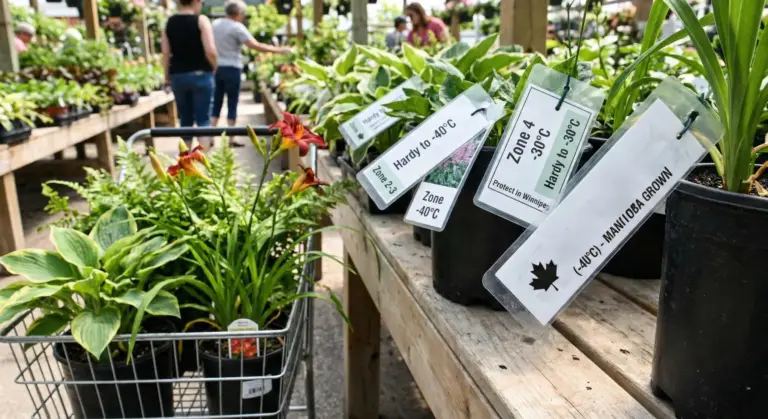
Xeriscaping Winnipeg gardens work with our climate instead of fighting it. By choosing plants adapted to prairie conditions and designing landscapes that conserve water naturally, you can have a beautiful yard that thrives on rainfall alone. And yes, it survives our Zone 3 winters.
What Is Xeriscaping (And Why Does It Work in Winnipeg?)
Beyond Desert Landscapes: Cold Climate Xeriscaping
The word “xeriscape” comes from the Greek “xeros,” meaning dry. But xeriscaping isn’t about creating desert landscapes with cacti and sand. It’s about designing landscapes that minimize water use while maximizing beauty and function.
The misconception that xeriscaping means brown and drab couldn’t be further from the truth. There are hundreds of drought-tolerant plants full of colour and character. Many of our most beautiful native plants evolved on the prairies to survive exactly the conditions we have: hot, dry summers, extreme cold winters, and unpredictable precipitation.
Successful xeriscaping combines smart plant selection, strategic water management, and proper mulching. You don’t need to eliminate your lawn. The key is to reduce turf to areas where you actually use it, choose drought-tolerant grass varieties for those spaces, and fill the rest with plants that thrive on minimal water.
Best Drought-Tolerant Plants for Zone 3 Winnipeg
Native Prairie Perennials
The hardiest drought-tolerant perennials in our climate descended from native prairie species. These plants save money on water bills while thriving in rocky soils and high winds.
Top Zone 3 Drought-Tolerant Perennials:
Once established, coneflowers handle drought beautifully while attracting pollinators. Their distinctive purple blooms last from midsummer through fall.
These golden-yellow flowers are prairie tough. Varieties like ‘Goldsturm’ and ‘Prairie Sun’ are reliably hardy to Zone 3.
Striking purple spikes that bloom from top to bottom. Deep taproots access moisture other plants can’t reach.
Unique spherical blue flowers on silvery foliage. The deep taproot makes this plant extremely drought-tolerant.
Ornamental Grasses
Ornamental grasses add movement, texture, and year-round interest to xeriscape gardens. Many require virtually no supplemental water after establishment.
Karl Foerster Feather Reed Grass: Upright, architectural grass that stays neat all season. Wheat-colored plumes persist through winter, providing interest even under snow.
Blue Oat Grass: Striking blue-gray foliage forms tidy mounds. Pairs beautifully with purple coneflowers and black-eyed Susans.
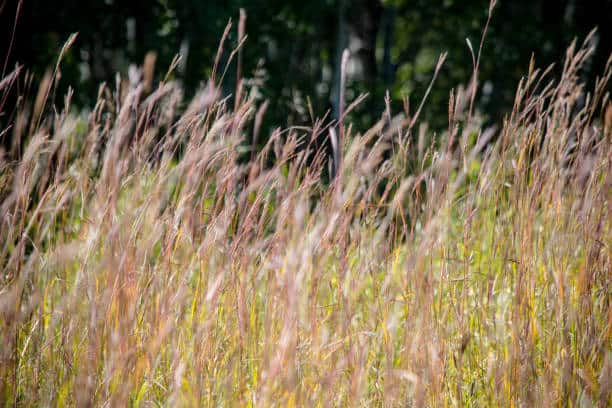
Little Bluestem: Native prairie grass with blue-green summer foliage turning copper-red in fall. Extremely drought-tolerant and provides stunning autumn colour.
Prairie Dropseed: Fine-textured grass with fragrant seed heads that smell like cilantro. One of the most drought-tolerant native grasses available.
Hardy Shrubs
Shrubs provide structure and year-round presence in xeriscape designs. Choose species that handle both drought and extreme cold.
Juniper: Multiple varieties offer options from groundcovers to upright specimens. Extremely drought-tolerant with attractive blue-green or silver foliage.
Potentilla: Long-blooming shrub with yellow, white, or pink flowers from early summer through frost. Handles poor soil and drought with ease.
Ninebark: Native Manitoba shrub with colourful foliage in burgundy or gold varieties. Tough as nails and beautiful in all seasons.
How Do You Design a Xeriscape Garden?
Hydrozoning: Grouping Plants by Water Needs
The key to efficient xeriscaping is hydrozoning, which means grouping plants with similar water needs together. This prevents overwatering drought-tolerant plants while ensuring thirstier species get what they need.
Create distinct zones: a low-water zone for the most drought-tolerant plants, a moderate zone for plants needing occasional supplemental water, and a higher-water zone (if needed) for any plants requiring regular irrigation. Place higher-water zones near hose bibs or in areas that naturally collect runoff.
Not sure how much your xeriscape conversion will cost? Use our free landscape calculator to get an instant estimate for plant installation, rock mulch, and design services tailored to your property.
Using Rock and Mulch Effectively
Mulch is essential in xeriscaping. A 2-4 inch layer of organic mulch or decorative rock reduces evaporation, keeps soil cool, and suppresses weeds that compete for moisture.
Wood mulch works well around perennials and shrubs, adding organic matter as it decomposes. Decorative rock and gravel suit areas where you want permanent coverage and work particularly well with ornamental grasses and Mediterranean-style plantings.
Establishing Drought-Tolerant Plants: The First Year Is Critical
Here’s the catch: drought-tolerant plants aren’t drought-tolerant until they’re established. New plantings need consistent water during their first growing season to develop the deep root systems that will sustain them through future droughts.
Plan to water new xeriscape plantings regularly for the first year. Deep, infrequent watering encourages roots to grow downward rather than staying near the surface. By the second or third year, most established plants will thrive on natural rainfall with only occasional supplemental water during extended dry spells.
Xeriscaping vs. Traditional Lawn: Long-Term Savings
Traditional lawns require 1-2 inches of water per week during summer. For a typical Winnipeg yard, that adds up to thousands of gallons of water and significant utility costs. Lawns also need regular mowing, fertilizing, and weed control.
Xeriscaped yards reduce water use by 50-75%. Once established, they require minimal maintenance beyond occasional pruning and mulch replenishment. The upfront investment in low-maintenance landscaping pays off within a few years through reduced water bills and time savings.
Think of xeriscaping as insurance against rising water costs and unpredictable summers. While traditional lawns become more expensive to maintain each year, a well-designed xeriscape actually improves with age as plants mature and fill in.
Design Your Low-Maintenance Landscape
At Lawn N Order, we specialize in landscape design that works for Manitoba’s unique climate. Whether you want a full xeriscape conversion or just want to reduce the water demands of your current landscape, we’ll help you create something beautiful and sustainable.
Schedule Consultation Get Free Estimate