What Growing Zone is Winnipeg? Your Complete Manitoba Hardiness Guide
⚡ Quick Answer: Winnipeg’s Growing Zone
Winnipeg, Manitoba is USDA Hardiness Zone 3b
(Canadian Plant Hardiness Zone 3a)

Understanding Zone 3b
The USDA hardiness zone system tells you which plants survive your coldest winter temperatures. Winnipeg’s Zone 3b rating means plants must withstand regular winter lows of -37°C to -34°C.
Why Two Systems?
- USDA Zone 3b (what most plant tags use): Based purely on minimum winter temperature
- Canadian Zone 3a (more comprehensive): Considers frost-free period length, summer rainfall, snow cover, and wind patterns
For shopping purposes, use USDA Zone 3b—that’s what nursery labels reference. But understand that Canadian Zone 3a factors (short growing season, wind exposure, variable moisture) also affect plant success.
What Zone 3b Means for Your Garden
Hardiness zones answer one question: “Will this plant survive winter?” They don’t tell you about summer heat tolerance, moisture needs, soil preferences, or growing season requirements.
Bottom line: Zone 3b plants can survive our winters. Whether they thrive depends on many other factors—moisture, sun exposure, soil type, and growing season length.
A Zone 3 hardy Hosta thrives in Winnipeg because it tolerates cold AND meets other requirements. A Zone 3 hardy plant from dry western climates might survive winter but struggle with our spring moisture or clay soils.
Plants That Thrive in Zone 3b
Reliably Hardy Trees
- Bur Oak, Manitoba Maple, Green Ash (native species)
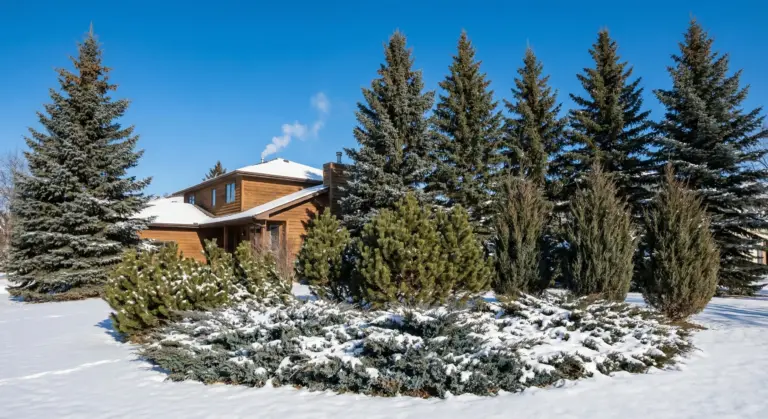
- Amur Maple, Colorado Blue Spruce, White Spruce
- Siberian Crabapple varieties
Proven Perennials
- Daylilies, Hosta, Siberian Iris
- Coneflower (Echinacea), Black-Eyed Susan
- Sedum, Coral Bells (Heuchera)
Hardy Shrubs
- Lilac (Manitoba’s provincial flower)
- Spirea, Potentilla
- Hydrangea paniculata varieties
- Juniper varieties
With winter protection: Hardy Roses (Canadian Explorer/Parkland series), some Lavender varieties in sheltered locations
Your Yard Has Multiple Zones
Your property isn’t uniformly Zone 3b. Different areas function as different zones based on exposure and protection.
- South-facing walls (building heat + sun exposure)
- Protected corners shielded from north/west winds
- Near basement windows or heat sources
- North-facing exposures with no direct sun
- Low-lying frost pockets where cold air settles
- Wind-exposed areas
University of Manitoba research shows single properties can span a 1.5 zone difference between the most and least favourable locations. Use this strategically—plant Zone 4 experiments in warm microclimates, stick with Zone 3 stalwarts in exposed areas.
Pushing Zone Limits Carefully
Some gardeners successfully grow Zone 4 plants through:
Winter Protection Methods:
- Deep mulching (6-8 inches after ground freezes)
- Burlap wrapping for wind protection
- Strategic placement where snow accumulates
Realistic Expectations:
- Zone 4 plants in Zone 3b might succeed 70% of winters
- Occasional severe winters kill them
- Marginal plants require more maintenance
After 20+ Winnipeg seasons: Zone-appropriate plants consistently outperform marginal plants. A Zone 3 Hosta thrives and multiplies. A Zone 5 Hydrangea (non-panicle type) barely survives, rarely blooms, needs constant attention.
Choose reliable over marginal for your landscape foundation.
Finding Zone Information
- Plant tags: Look for “Zone 3” or “hardy to Zone 3” for Winnipeg reliability. “Zone 4” tags mean borderline—possible with protection, risky otherwise
- Online resources: Natural Resources Canada Plant Hardiness, USDA Plant Hardiness Zone Map
- Local expertise: Winnipeg garden centers stock zone-appropriate plants because experience teaches them what works here
Planning Your Winnipeg Garden
Start with Zone 3 foundation plants. Build your landscape on proven performers—Crabapples, Hostas, Lilacs, Daylilies. These establish quickly and tolerate our extremes.
Experiment selectively. Try Zone 4 plants in favourable microclimates—south walls, protected corners. But keep experiments limited.
Consider ALL factors:
- Growing season length (115-120 days)
- Wind exposure (major factor not in zone ratings)
- Soil conditions (heavy clay challenges many plants)
- Moisture patterns (spring wet, summer variable)
Professional Landscape Design for Zone 3b
Plant selection is just the beginning. Strategic design and thoughtful placement matter equally for long-term success. A Zone 3 plant in the wrong location (poor drainage, inadequate sun, wind-exposed) still struggles despite being “hardy enough.”
Lawn ‘N’ Order landscape design selects plants proven to thrive in Zone 3b—not just barely survive. We create landscapes succeeding year after year by working with Manitoba’s realities, combining zone-appropriate plant selection with strategic placement and comprehensive site design.
Contact Lawn ‘N’ OrderThe Bottom Line
Winnipeg = USDA Zone 3b (Canadian Zone 3a)
Your garden can support any plant rated “hardy to Zone 3” with confidence. Zone 4 plants are experiments. Zone 5+ rarely succeeds long-term.
Manitoba offers hundreds of beautiful Zone 3b-proven options. Build gardens around these performers rather than fighting our climate. That approach creates landscapes thriving through our extremes—not struggling against them.
Related Resources
- Lawn ‘N’ Order Landscaping Services
- Natural Resources Canada: Plant Hardiness Zone Map
- Manitoba Agriculture: Home Horticulture
- Spring Planting Guide for Winnipeg
Understanding your growing zone is the foundation of successful gardening. Choose zone-appropriate plants, leverage your yard’s microclimates, and create landscapes that thrive in Manitoba’s Zone 3b reality.