
Parking Lot Snow Removal Winnipeg: Equipment & Staging
A plow truck, a pusher and a loader do three different jobs, and the pile you start in November is still there…
Read the article →
Retaining wall costs in Winnipeg run $5,000–$35,000+, and the gap between a quote that holds and one that leads to a rebuild in eight years comes down to drainage, base depth, and frost engineering. Here's the honest breakdown — and the questions to ask before you sign.
A retaining wall isn’t just landscaping. It’s a structural element that holds back soil, manages water, and has to survive Winnipeg’s freeze-thaw cycle — with dozens of freeze-thaw events each winter season. Every one of those cycles puts lateral pressure on the wall.
We’ve seen walls installed elsewhere in Canada that would last decades, but fall apart within five years in Winnipeg. Not because of poor workmanship specifically, but because the engineering assumptions were wrong for Manitoba conditions. The frost penetrates deeper here, approximately 4 feet, and the clay soil expands significantly when it freezes. A wall built without accounting for that movement is working against the landscape every single winter.
This context matters for budgeting. When a Winnipeg quote looks higher than what you’ve seen online, it’s usually because the contractor is building to the conditions, not padding the number.
These ranges come from Lawn ‘N’ Order’s actual project pricing, based on 30+ years of building retaining walls in Winnipeg’s specific soil and climate conditions.
| Project Size | Typical Scope | Budget Range |
|---|---|---|
| Small | Up to 20 linear ft, 2–3 ft height, straightforward grade | $5,000–$10,000 |
| Medium | 20–50 linear ft, 3–5 ft height, moderate drainage work | $10,000–$20,000 |
| Large | 50+ linear ft, 5+ ft height, engineered drainage, tiered design | $20,000–$35,000+ |
A wall that looks “medium” on paper can move into large-project territory quickly when site conditions add complexity. Soft soil that needs excavation and replacement, significant drainage requirements, or limited equipment access all affect the final cost.
Use the Lawn ‘N’ Order cost calculator to build a starting estimate before any site visit. Select Retaining Walls and any related services — site prep, grading — and see how the total adds up.
Wall height affects cost more than any other factor. A taller wall requires deeper footings, larger base courses, more fill material, and a greater batter angle — the backward lean that keeps the wall stable against soil pressure. It also means more linear feet of drainage material behind the wall.
As a rough guide, every additional foot of wall height increases cost per linear foot by 30 to 50 percent because of the compounding structural requirements. A 2-foot wall and a 4-foot wall aren’t twice the work; the 4-foot wall is closer to three times the engineering.
Concrete segmental block — the engineered block systems like Allan Block — is the most common and most reliable choice for Winnipeg’s climate. The interlocking system is designed for freeze-thaw movement. Individual units can be re-levelled if needed without rebuilding the entire wall. Lawn ‘N’ Order’s Allan Block certification means our crews are trained in the installation system developed specifically for climates with significant frost activity.
Natural stone walls look exceptional and last well when properly installed, but they require skilled dry-stone or mortared construction and the right stone selection for frost resistance. Cost per linear foot runs higher than concrete block, and the engineering requires more judgment on the installer’s part.
Timber walls are the lowest upfront cost but also the shortest lifespan in Winnipeg’s climate. Treated lumber in contact with Winnipeg’s clay soil and moisture cycle deteriorates. For permanent grade changes, concrete block or stone is almost always the better long-term investment.
Proper drainage is what makes a Winnipeg retaining wall last. Without it, hydrostatic pressure — water building up behind the wall — becomes the primary force working against the structure. In a clay-dominant soil like Winnipeg’s, water doesn’t drain freely. It pools behind the wall, saturates the base, and either pushes the wall forward or freezes and expands in winter.
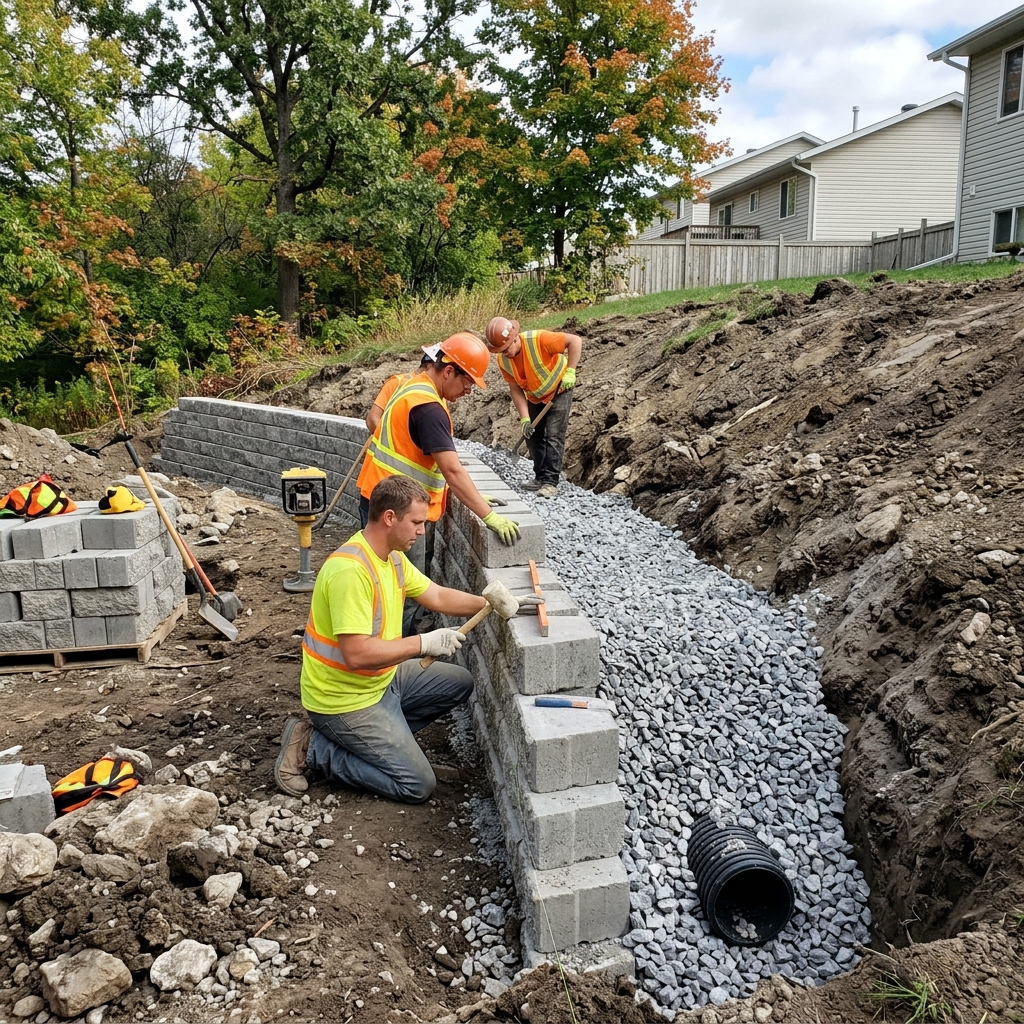
A properly built retaining wall includes a drainage aggregate layer behind the wall, a perforated drainage pipe at the base of that layer, and weep holes or gaps in the face of the wall to allow any water that does build up to escape. This drainage system adds to the material and labour cost, but it’s not optional. It’s what separates a wall that lasts from one that bulges and fails within a few seasons.
A sloped lot with good soil and clear equipment access is straightforward. A steep grade with unstable clay, a narrow backyard gate, or existing structures close to the wall line all add complexity and cost. Soft spots in the soil that need to be excavated and replaced before the wall base goes in are common in older Winnipeg neighbourhoods and add both material and labour costs.
This is why getting a firm quote requires a site visit. A contractor who gives you a firm price from photos alone either hasn’t built enough walls in this city or is planning to deal with surprises through change orders.
After 30 years of building retaining walls in Winnipeg, we’ve seen the questions that separate thorough quotes from thin ones. Before you commit to any contractor, ask these:
Permit reminder: In Winnipeg, walls over a certain height — generally around 1 metre in most residential zones — require a permit from the City of Winnipeg. A contractor who doesn’t bring this up for a taller wall is either unaware or working around it. Either way, it’s a conversation worth having before the project starts.
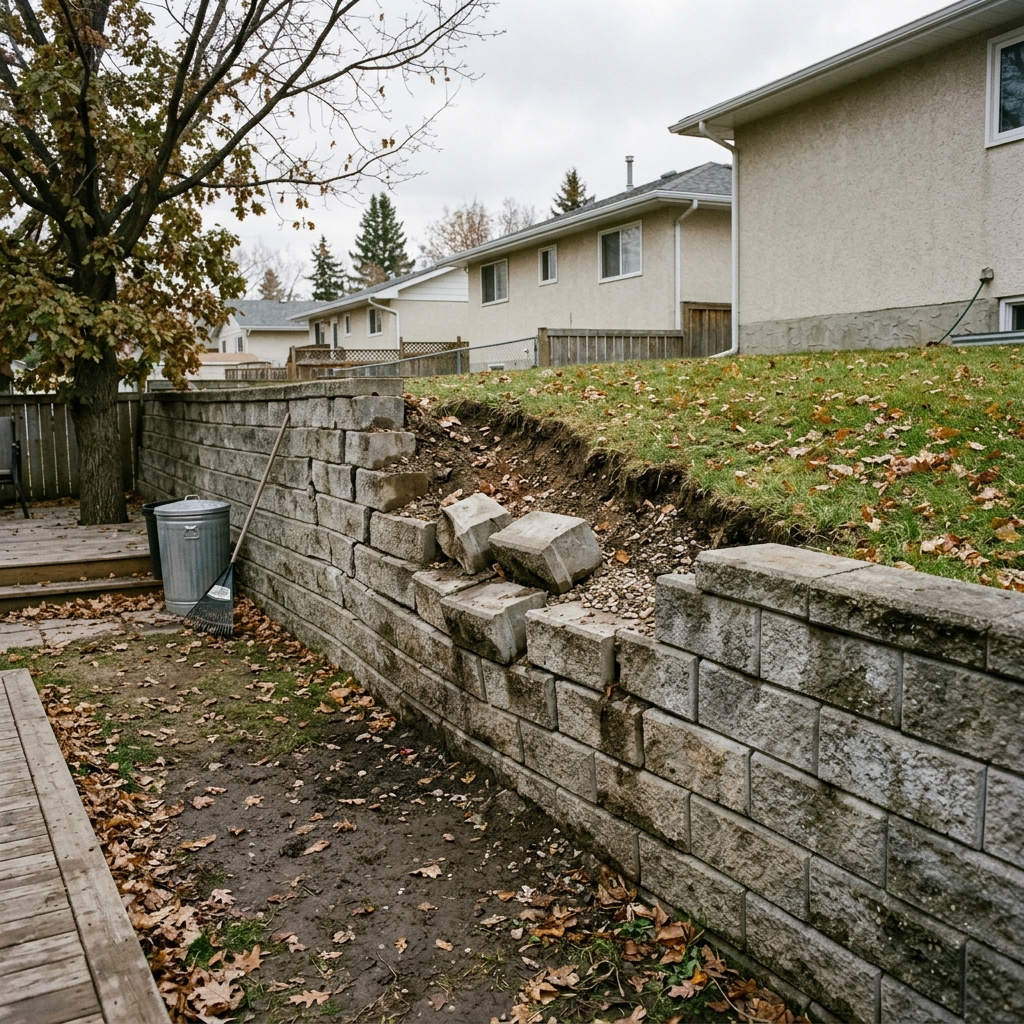
This comes up enough in our work that it’s worth saying directly. We get called to assess and sometimes rebuild retaining walls that were installed within the last five to ten years. The pattern is consistent: inadequate drainage, base courses set too shallow, and wall heights that exceed what the system can support without additional engineering.
A wall that starts bulging forward has usually failed at the drainage level. Water built up behind it, froze, and pushed. Fixing it requires taking the wall down, correcting the drainage, and rebuilding — which costs more than building it correctly would have cost in the first place. The difference between a quote that seems high and a quote that accounts for proper engineering is often the difference between a wall that lasts 30 years and one that needs to be redone in eight.
Do retaining walls require a permit in Winnipeg?
Walls over approximately 1 metre in height may require a building permit in Winnipeg residential zones, depending on the site, property line proximity, and soil conditions. Walls near property lines, drainage easements, or utility right-of-ways may have additional requirements. Your contractor should confirm permit requirements as part of the project scoping. Lawn ‘N’ Order handles permit applications for projects that require them.
How long does a properly built retaining wall last in Winnipeg?
A concrete segmental block wall built with proper drainage and correct base depth should last 30 to 50 years with minimal maintenance in Winnipeg’s climate. Natural stone walls, when properly installed, last indefinitely. Timber walls typically need replacement within 15 to 20 years in our climate, sometimes sooner depending on soil moisture levels.
Can a retaining wall be built in phases?
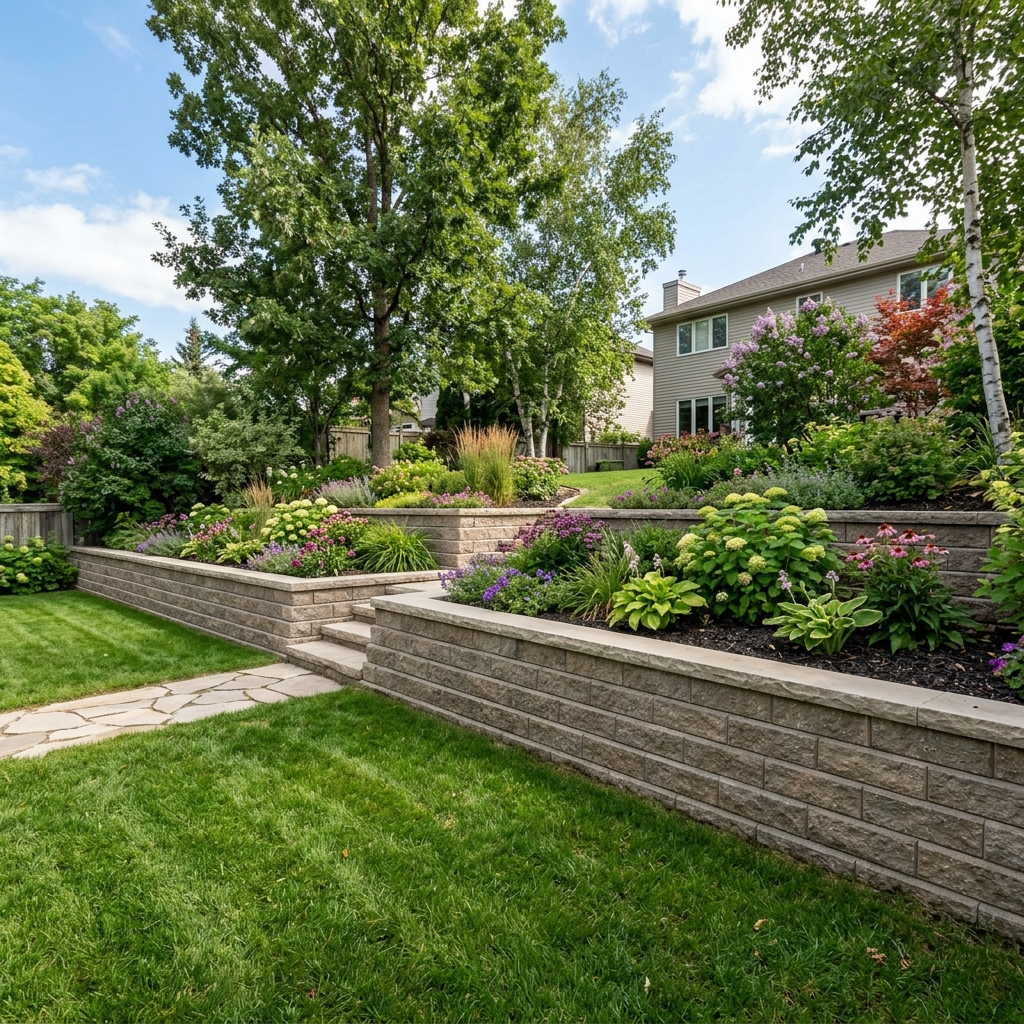
Yes, but drainage needs to be designed for the full scope from the start. If you’re planning a tiered wall system or extending the wall in a future season, your contractor needs to know that upfront so drainage rough-ins and base preparations account for what’s coming. Building the first tier without that plan usually means more disruption and cost when the second tier goes in.
Use the cost calculator to see retaining wall pricing alongside any other project elements — site prep, grading, or hardscape. Then book a site visit so our team can assess your specific grade, soil, and drainage conditions.
Use the Free Calculator Book a Site VisitSend the address and a rough idea of scope. We'll walk it, take levels, and give you a written number you can compare line for line.
Keep reading
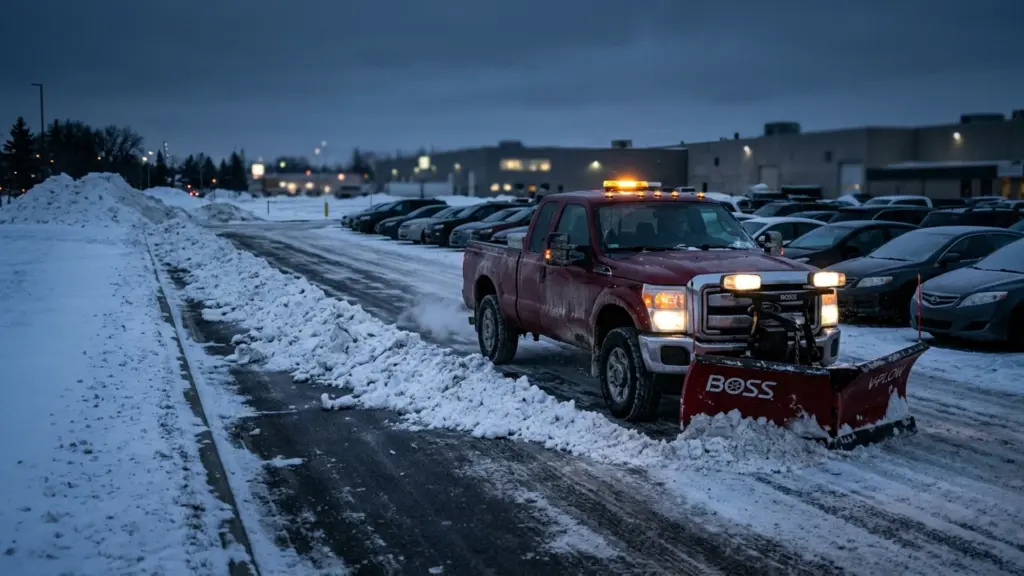
A plow truck, a pusher and a loader do three different jobs, and the pile you start in November is still there…
Read the article →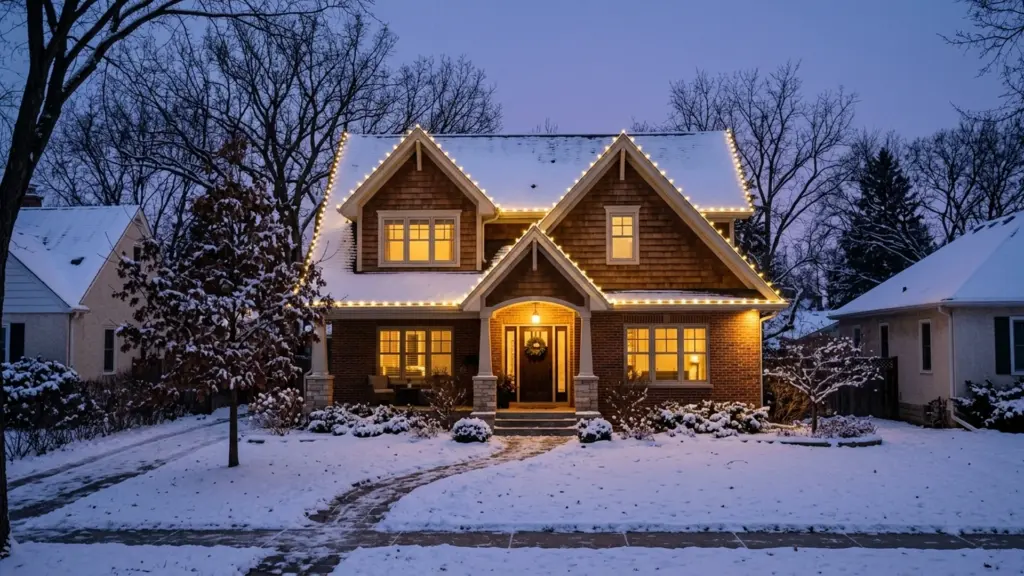
Holiday Light Installation Winnipeg: Book Before the Ground Freezes Quick Takeaways Holiday light installation in Winnipeg has a short window: crews install…
Read the article →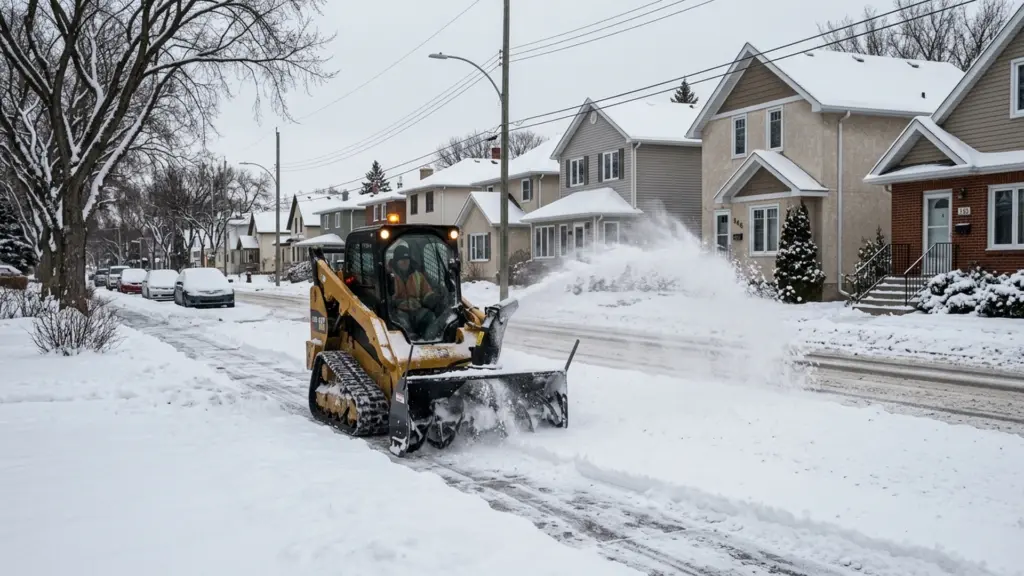
Who Clears the Sidewalk in Winnipeg? What the City Does and What You’re Responsible For Quick Takeaways Winnipeg is one of the…
Read the article →