Lawn Fertilization Winnipeg: Zone 3 Spring & Fall Guide
- Winnipeg lawns on Red River clay need a different fertilization approach than the generic programs sold at most garden centres
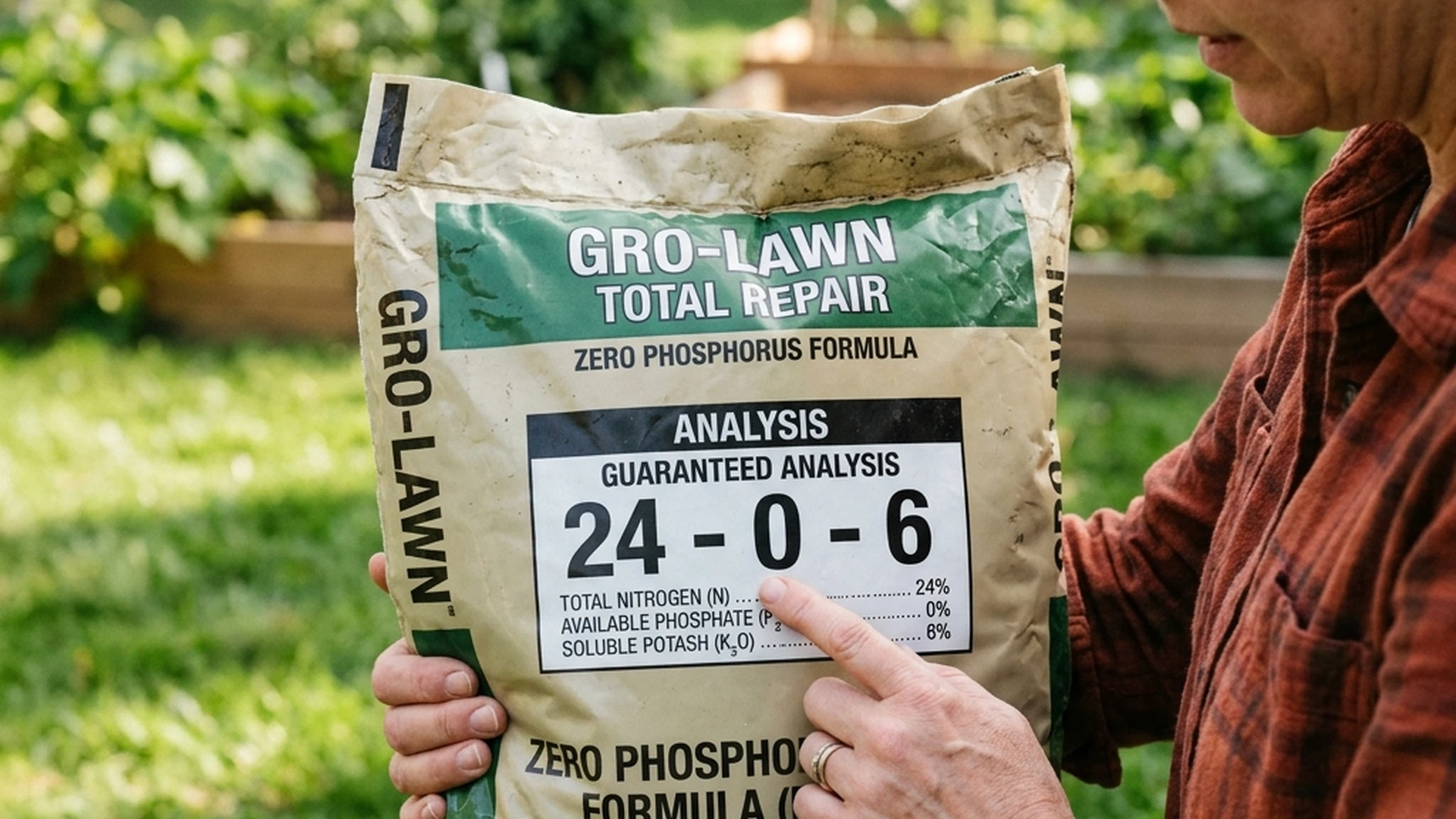
- Manitoba law prohibits phosphorus fertilizer (second number above 0) on established lawns except when a soil test indicates deficiency or when establishing a new lawn
- No fertilizer of any kind within 3 metres of rivers, streams, wetlands, or stormwater ponds
- The right NPK ratio for established Winnipeg lawns is high nitrogen, zero phosphorus, moderate potassium: something like 30-0-4 or 32-0-8 for general feeding
- Two applications are the effective minimum for Zone 3: one in late spring once the lawn is actively growing, one in early to mid-fall before freeze-up
What Manitoba’s Fertilizer Rules Actually Say
Before discussing what to apply, the regulatory context for Manitoba lawns is worth understanding clearly, because a lot of national fertilization guides recommend products and programs that are not fully compliant here.
- Phosphorus restriction on established lawns: Since January 1, 2009, Manitoba has prohibited fertilizers containing more than 1% phosphorus by weight on established lawns. The second number on a fertilizer bag is the phosphorus percentage. A fertilizer labelled 20-5-10 cannot legally be applied to an established Winnipeg lawn under standard conditions. Look for a zero in the middle position.
- Exceptions: Starting a new lawn from seed or sod (phosphorus aids initial root establishment), or when a soil test confirms a phosphorus deficiency.
- Waterway setback: No fertilizer can be applied within 3 metres of rivers, streams, creeks, wetlands, or stormwater retention ponds. This is a provincial requirement under Manitoba’s Environment Act.
- Cosmetic pesticides: Manitoba repealed its cosmetic pesticide ban in late 2022, aligning with Health Canada registered product standards. Health Canada-registered pesticides can now be used on residential lawns, with exceptions for schools, hospitals, daycare centres, municipal playgrounds, dog parks, and provincial parks. Confirm current status before purchasing products as further regulatory changes may occur.
What Winnipeg Clay Lawns Actually Need
Nitrogen (First Number)
The primary need. Drives leaf and shoot growth. Slow-release nitrogen sources, which release nitrogen gradually over 6 to 8 weeks, are better suited to Winnipeg’s clay conditions than quick-release formulations. Quick-release nitrogen spikes growth rapidly, which creates a surge that stresses the lawn during summer heat.
Potassium (Third Number)
Important for winter hardiness. Potassium strengthens cell walls and improves winter recovery. In Winnipeg’s climate, where the lawn goes through months of frozen dormancy and then rapid thaw stress, adequate potassium levels support recovery and reduce winter kill. Include it in the fall program.
Phosphorus (Second Number)
Generally not needed. Manitoba’s established clay soils are typically not phosphorus-deficient. Decades of fertilizer applications and natural soil phosphorus have left most Winnipeg residential lawns with adequate to excess levels. The provincial restriction reflects this reality and environmental concerns around runoff.
The Zone 3 Fertilization Program
Late Spring: Late May to Early June
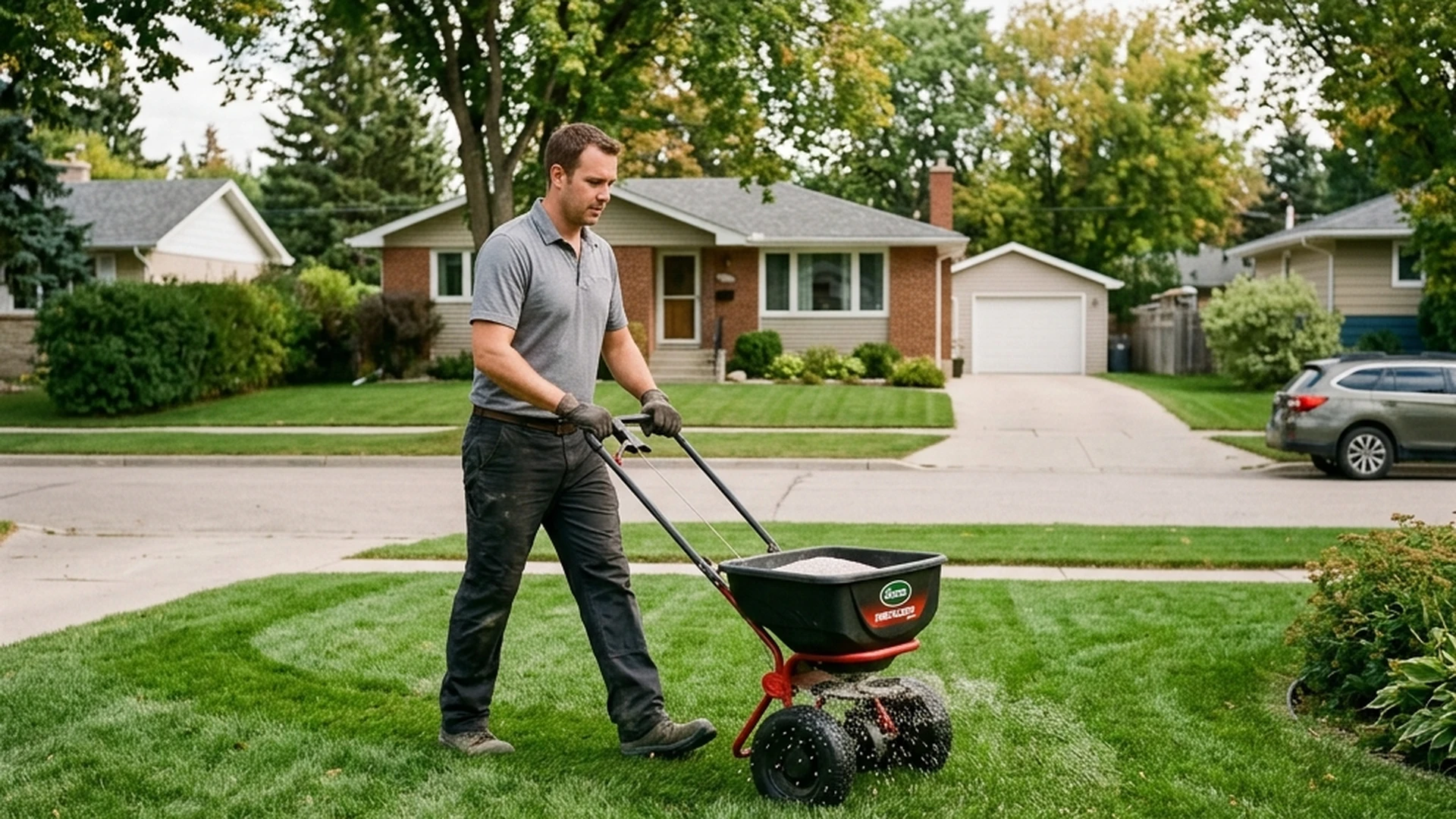
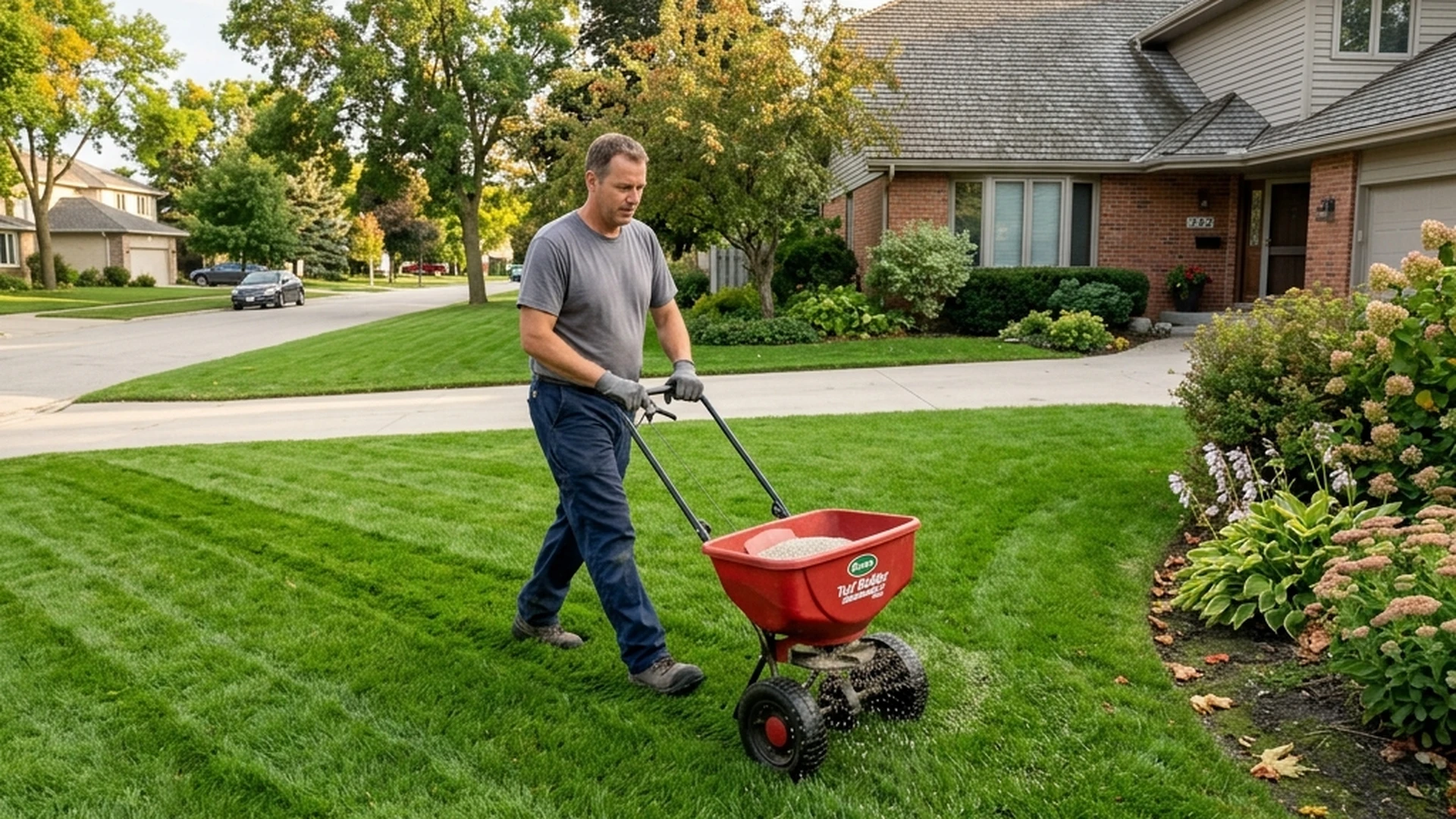
Do not fertilize dormant or just-emerging grass. Wait until the lawn is actively and visibly growing, soil temperatures are consistently above 10 degrees Celsius, and the risk of late frost has passed. In Winnipeg, this is typically the last week of May or first week of June. Use a slow-release nitrogen fertilizer with zero phosphorus, such as 30-0-4 or 32-0-8. Slow-release formulations (labelled as IBDU, sulfur-coated urea, or controlled-release) are preferred over quick-release urea. Follow the label rate: over-application of nitrogen does not produce greener grass, it produces excessive growth and wastes money.
Early to Mid-Fall: Late August to Mid-September
The fall application is the most important of the year for Winnipeg lawns. Applying nitrogen in fall promotes root development rather than top growth, which builds the root system that will support the lawn through winter and into the following spring. A lawn that receives a fall fertilization consistently develops a denser, more resilient turf than one fertilized only in spring. Apply while the lawn is still actively growing, before night temperatures consistently drop below 10 degrees Celsius. Apply too late and the nitrogen promotes soft growth that does not harden off before freeze-up. Use a slow-release formula with potassium included, such as 24-0-8 or 28-0-12. Fall-specific “winterizer” fertilizers with elevated potassium are appropriate for Zone 3.
Early Summer: Early July
A third application in early July is appropriate for lawns that are thin, show signs of nitrogen depletion (yellowing, slow growth), or are on a recovery program after winter damage. It is not necessary for healthy established lawns that were well fertilized in spring and fall. If applying in summer, use a slow-release formulation and water thoroughly after application to avoid burn during hot, dry conditions.
What to Avoid in Winnipeg’s Climate
- Fertilizing in late September or October when growth has slowed: promotes soft tissue that does not harden before freeze-up, increasing susceptibility to disease and winter injury
- Applying during drought stress without irrigation: nitrogen applied to a drought-stressed lawn without watering it in can burn the turf
- Quick-release urea in summer: high-nitrogen quick-release products applied during hot, dry July conditions can burn Winnipeg lawns; use slow-release or water in immediately after application
- Any phosphorus-containing fertilizer on established lawns without soil test confirmation: violates Manitoba regulations and is environmentally counterproductive in most situations
Soil Testing: When It Makes Sense
A Manitoba soil test is the most reliable way to know what your specific lawn actually needs rather than applying a generic program. Soil tests are available through the Manitoba government’s soil testing laboratory and through commercial testing services. The results will show pH, available nutrients including nitrogen, phosphorus, and potassium, and organic matter content.
For Winnipeg lawns on Red River clay, the most useful results are usually pH and organic matter. Clay soils in this region tend toward slightly alkaline pH (7.0 to 7.5), which can affect nutrient availability. Organic matter content reflects soil health and often correlates with how well the lawn responds to fertilization.
Cost of Lawn Fertilization Programs in Winnipeg
| Program | Typical Cost | Notes |
|---|---|---|
| DIY 2-application program (products only) | $40 to $80 | Quality slow-release products; covers standard residential lot |
| Professional 2-application program | $80 to $180 | Includes application labour; varies by lawn size |
| Professional 3-application program with assessment | $120 to $250+ | Spring, summer, and fall with soil condition review |
| Soil test (Manitoba) | $30 to $80 | Baseline data for program design; recommended for problem lawns |
Lawn ‘N’ Order offers spring and fall lawn care programs that include fertilization, aeration, and overseeding as needed. See lawnnorder.ca/lawn-care-winnipeg for program details or use the cost calculator to scope a program for your property. For how aeration improves fertilizer uptake on clay, see our lawn aeration guide.
FAQ: Lawn Fertilization in Winnipeg
Can I use Scotts Turf Builder or similar all-purpose fertilizers in Winnipeg?
Check the label first. Many popular all-purpose lawn fertilizers contain phosphorus (the second number on the bag). If that number is greater than 0, the product cannot legally be applied to an established Winnipeg lawn without soil test confirmation of deficiency. Look for the phosphorus-free versions of these products, which most major brands now offer, or choose a fertilizer specifically formulated for Manitoba conditions with a zero middle number.
What is the best fertilizer for a new lawn?
For new lawn establishment from seed or sod, a starter fertilizer with phosphorus is appropriate and permitted under Manitoba’s rules. Phosphorus supports initial root development in young plants. A formulation like 10-20-10 or similar starter blend helps new sod and seed establish faster. Per Manitoba government guidelines, the phosphorus exception applies for the year of establishment as well as the year following establishment, so two growing seasons before switching to the phosphorus-free maintenance program.
Should I fertilize in fall if the lawn looks healthy?
Yes. Fall fertilization benefits healthy lawns as much as struggling ones because the benefit is root development, not visible top growth. A visibly healthy lawn in September is a good candidate for fall fertilization because it has the root mass to take up and store the nutrients effectively before freeze-up. The result is a lawn that emerges more quickly and evenly in spring.
Book a Lawn Fertilization Program
Lawn ‘N’ Order designs spring and fall fertilization programs for Winnipeg’s clay soil conditions, Zone 3 climate, and Manitoba regulatory requirements.
Use the Free Calculator Book a Free Consultation