Winter Tree Care Winnipeg: Protecting Your Landscape from Snow, Salt, and Wind Burn
Why Winter Protection Matters in Manitoba
Winnipeg’s extreme winter conditions, temperatures reaching -40°C, frequent freeze-thaw cycles, and persistent winter winds averaging around 18–20 km/h according to Environment Canada data, create perfect storm conditions for landscape damage. Unlike milder climates where trees simply go dormant, Manitoba’s woody plants face active threats throughout the winter months, requiring proactive protection.
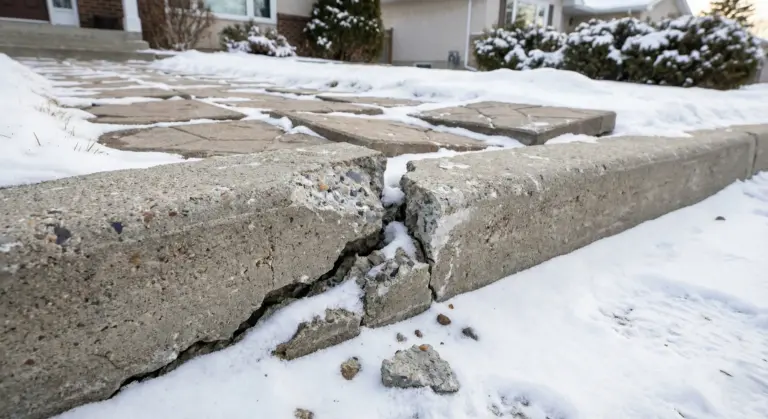
Winter damage costs add up: Emergency tree removal, spring replacement plantings, and corrective pruning from winter injury can easily exceed $1,000-3,000 per property, according to Manitoba landscape industry estimates. More importantly, mature trees providing shade, privacy, and property value take decades to replace, making prevention far superior to reactive responses.
Understanding winter threats and implementing strategic protection preserves landscape investments while avoiding the heartbreak of discovering favorite specimens damaged beyond recovery when spring arrives.
Common Winter Damage Winnipeg Homeowners Face
Snow Load and Broken Branches
Heavy snow accumulation creates tremendous weight on branch structures. Environment Canada reports Winnipeg receives 115 cm average annual snowfall, with individual storms depositing 20-30 cm within hours. Wet, heavy snow weighs 10-20 pounds per cubic foot, quickly overwhelming branches not adapted to loading stress.
Multi-stemmed evergreens (cedars, junipers) prove particularly vulnerable. Their dense foliage catches and holds snow, creating leverage that splits stems from trunks. Case studies from Prairie urban forests suggest that a majority of winter tree damage involves multi-leader failures from snow loading, often estimated at around 60–70% of cases.
Ice storms compound problems when freezing rain coats branches before snow accumulation. The combined weight can snap branches exceeding 6 inches diameter, damage requiring professional removal and corrective pruning affecting tree health and appearance for years.
Road Salt Damage: Spray and Soil Contamination
Sodium chloride spray from passing vehicles travels 20-30 feet according to transportation research, coating bark and dormant buds with salt that draws moisture from plant tissues. Manitoba road authorities apply tens of thousands of tons of road salt each winter, creating widespread exposure for roadside plantings.
Soil salt accumulation near driveways and sidewalks builds concentration levels toxic to root systems. Salt-contaminated soil prevents water uptake even when moisture is available, creating drought stress that kills roots and destabilizes trees. Research from the University of Guelph demonstrates that salt injury often doesn’t appear until spring when trees fail to leaf out or show dieback symptoms.
Most vulnerable species include maples, birches, and many ornamental shrubs lacking salt tolerance. Evergreens near roadways show characteristic browning on windward sides where spray exposure concentrates.
Winter Burn on Evergreens
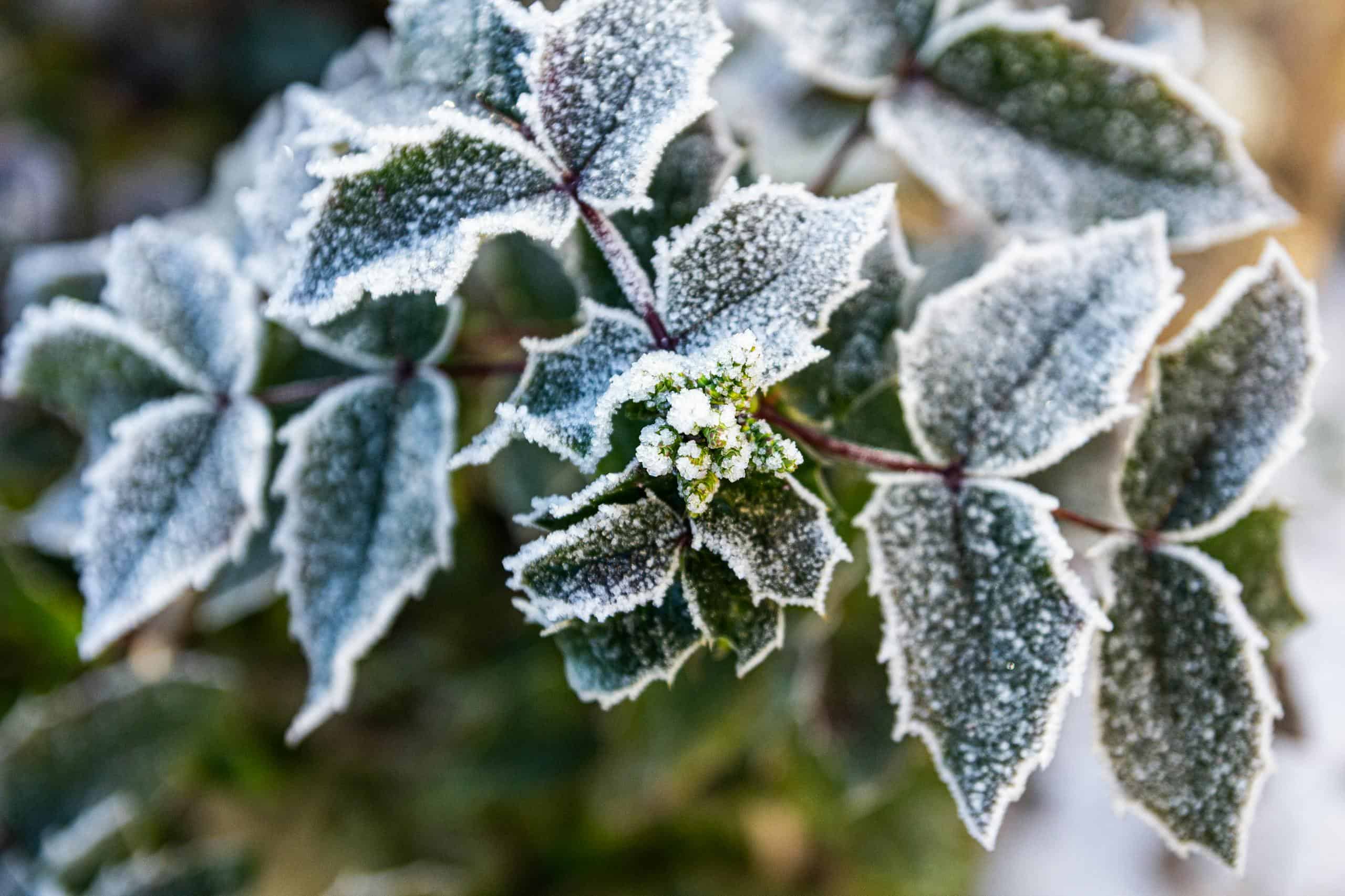
Desiccation injury (winter burn) appears as brown, dried foliage on evergreen needles, particularly on south and west exposures. The mechanism involves bright winter sunlight warming needles during days, triggering transpiration (moisture loss) that frozen roots cannot replace. Research indicates winter burn affects 40-50% of non-native evergreens in Prairie climates.
Wind compounds damage by accelerating moisture loss from exposed foliage. Winnipeg’s prairie location provides minimal wind protection, with sustained winds of 30-40 km/h common throughout winter. Cedars, arborvitae, and boxwoods planted in exposed locations show severe damage, sometimes complete browning, requiring removal.
Snow cover provides protection by insulating lower branches from wind and sun. Plantings with reliable snow accumulation show significantly less winter burn than those in wind-swept areas where snow doesn’t accumulate.
Rodent and Animal Damage
Rabbits and voles girdle bark on young trees and shrubs when other food sources disappear under snow. Complete girdling (chewing bark around the entire trunk circumference) kills trees by cutting off nutrient flow. The Manitoba Forestry Association reports that rodent damage affects 20-30% of unprotected young plantings in urban areas.
Deer browsing damages shrubs and low branches, particularly in suburban areas bordering natural spaces. While individual browsing events rarely kill plants, repeated damage stunts growth and destroys ornamental form, requiring years of corrective pruning to restore.
Practical Protection Strategies
Strategic Planting Locations
Setback distances from salt-exposed areas dramatically reduce damage risk:
- 15-20 feet minimum from high-traffic roads
- 10-15 feet from driveways receiving regular salt application
- 8-10 feet from sidewalks and parking areas
- Upwind of prevailing winter winds when possible
Microclimate selection considers sun exposure, wind patterns, and snow accumulation. South and west sides of properties face the harshest conditions; north and east locations provide natural protection, reducing winter stress.
At Lawn ‘N’ Order, our landscape design process considers these winter factors during initial planning, positioning plantings for success rather than requiring constant intervention to protect poor placement decisions.
Proper Winter Mulching
Mulch application around trees and shrubs provides root zone insulation while moderating soil temperature fluctuations. Research from Agriculture and Agri-Food Canada demonstrates that 3-4 inch mulch layers reduce soil temperature swings by 40-50%, protecting roots from freeze-thaw damage.
Application timing and technique:
- Apply after ground freezes (late November), preventing rodent nesting
- Maintain a 6-inch gap from the trunk base, preventing moisture accumulation and rot
- Extend mulch to the drip line (branch spread), coveringthe the entire root zone
- Use coarse materials (wood chips, shredded bark) that don’t compact under snow
Avoid mulch volcanoes; piling mulch against trunks creates moisture problems, encourages rodent damage, and provides no benefit since trunks don’t require insulation.
Physical Protection: Wraps, Guards, and Screens
Burlap wrapping protects evergreens from wind burn and salt spray:
- Wrap cedars, arborvitae, and boxwoods in exposed locations
- Create a loose wrap allowing air circulation
- Remove wraps in early April, preventing heat buildup as temperatures warm
- Use natural burlap (not plastic-backed), allowing moisture vapour escape
Tree trunk guards prevent rodent damage on young trees:
- Install plastic or wire mesh guards 18-24 inches above the anticipated snow depth
- Extend guards below the soil surface, preventing vole access
- Remove guards in spring, allowing bark inspection and air circulation
Windscreens using burlap on stakes create microclimates, reducing wind exposure:
- Position on the windward (west and north) sides of plantings
- Extend screens 2-3 feet beyond plant height and width
- Secure firmly, preventing collapse under wind and snow loading
Strategic Snow Management
Never pile snow directly against trees and shrubs:
- Piled snow compacts and freezes, delaying the spring thaw and maintaining cold soil temperatures
- Salt-contaminated snow from driveways concentrates toxins in root zones
- Physical pressure from piles can break branches and damage bark
Designate snow storage areas away from valuable plantings, ideally in open lawn areas where spring melt drains without affecting permanent plantings. This simple planning prevents the spring discovery that winter snow piles killed shrubs or damaged tree bark.
Planning Future Plantings for Winter Success
Cold-Hardy and Salt-Tolerant Species
Native and adapted species tolerate Winnipeg conditions without extensive protection:
- Amur maple: Cold-hardy, moderate salt tolerance
- Bur oak: Extremely cold-hardy, good urban adaptability
- Colorado spruce: Excellent winter hardiness, moderate wind tolerance
- Cotoneaster: Tough shrub with good salt tolerance
Avoid marginal species requiring excessive winter protection:
- Japanese maple (insufficient cold hardiness)
- Many broadleaf evergreens (rhododendron, boxwood cultivars)
- Non-native birches are lacking in the Manitoba climate adaptation
Professional landscape design selects appropriate species matching site conditions rather than forcing inappropriate plants into unsuitable locations, requiring annual winter intervention.
Landscape Features Reducing Winter Stress
Raised planting beds improve drainage and soil conditions:
- Elevate root zones above salt-contaminated soils
- Improve winter drainage, preventing ice formation around roots
- Allow amended soil mixes better suited to plant requirements
Strategic fencing and walls create wind protection:
- Reduce wind speeds by 50-70% for 5-10 times the barrier height, according to agricultural research
- Create snow accumulation, providing natural insulation
- Define protected microclimates supporting less hardy specimens
Grouping plantings creates mutual protection through shared microclimate and reduced wind exposure compared to isolated specimens facing full exposure.
Professional Assessment vs. DIY Tree Care
When to Call Professional Arborists
Situations requiring certified arborists include:
- Large branch removal (over 4 inches in diameter)
- Trees showing structural defects or safety concerns
- Storm damage assessment and emergency response
- Crown thinning or corrective pruning on mature specimens
- Any work requiring climbing or aerial equipment
Manitoba’s Occupational Safety and Health regulations require specific training and equipment for tree work; attempting DIY in situations exceeding capabilities creates serious injury risk.
Comprehensive Winter Landscape Assessment
Professional evaluation identifies vulnerabilities before winter damage occurs:
- Structural weaknesses that may fail under snow loading
- Salt exposure concerns requiring protection or relocation
- Pest or disease issues requiring treatment before dormancy
- Pruning needs to improve winter storm resistance
At Lawn ‘N’ Order, our landscape maintenance programs include fall assessment, identifying and addressing winter vulnerabilities, and preventing damage rather than reacting to spring discoveries of lost plantings.
Spring Damage Recovery Services
Post-winter assessment determines the extent of injury and appropriate responses:
- Prune damaged branches to healthy tissue
- Replace lost specimens with appropriate alternatives
- Amend salt-contaminated soils
- Implement corrective measures preventing recurrence
Professional recovery maximizes salvageable material while ensuring new plantings avoid repeating previous failures.
Protecting Your Landscape Investment
Winter tree and shrub care represents insurance protecting landscape investments that took years or decades to establish. Understanding Winnipeg’s specific winter threats, snow loading, road salt exposure, wind burn, and rodent damage, enables strategic protection, preserving plants through our challenging conditions.
Whether implementing DIY protection strategies or engaging professional assessment and maintenance services, proactive winter care proves far superior to spring damage assessment and reactive replacement. Your landscape deserves protection matching the investment and enjoyment it provides.
Concerned about winter landscape protection or planning new plantings designed for Manitoba’s climate? Contact Lawn ‘N’ Order for professional landscape assessment, winter protection services, and design consultation, ensuring your trees and shrubs thrive through Winnipeg’s demanding winters. Our experience with hundreds of local landscapes provides the expertise to preserve your property’s beauty and value through all seasons.
Make winter protection part of your landscape care routine. Your trees and shrubs will reward you with healthy spring growth and years of continued enjoyment.