winter safety lighting for walkways driveways: Designing Around Snowbanks, Ice, and 14-Hour Nights in Winnipeg
Every winter, we hear the same stories. Someone slipped on their front steps in the dark. Another homeowner drove over their lawn because they couldn’t see the driveway edge under snow. A visitor took a tumble on an icy walkway that looked perfectly safe.
Here’s the thing: most of these properties had landscape lighting. But having lights and having useful winter lighting are completely different.

By mid-November, darkness hits Winnipeg by 4:30 PM and doesn’t let up until after 8 AM. That’s over 14 hours of navigating your property in pitch black, often on ice you can’t see and through snow that’s buried half your fixtures. Manitoba Public Insurance reports that slip-and-fall incidents jump 340% in winter compared to summer, and poor visibility plays a role in nearly three-quarters of those cases.
This isn’t about making your property look nice at night. This is about not ending up in the ER.
What Makes Winter Lighting So Different
Your summer lighting probably looks great—accent lights highlighting your garden beds, maybe some uplighting on your house. But winter changes everything.
Those path lights sitting 12-18 inches off the ground? Buried under snow by December. That nice ambient glow washing across your walkway? Now it’s just glaring off reflective snow, blinding you instead of helping. And those charming shadow patterns that added depth to your garden? They’ve turned critical edges invisible.
Research finding: University of Manitoba research found that 67% of residential outdoor lighting is positioned for aesthetics, not function. That’s fine in July. It’s dangerous in January.
The real winter problems:
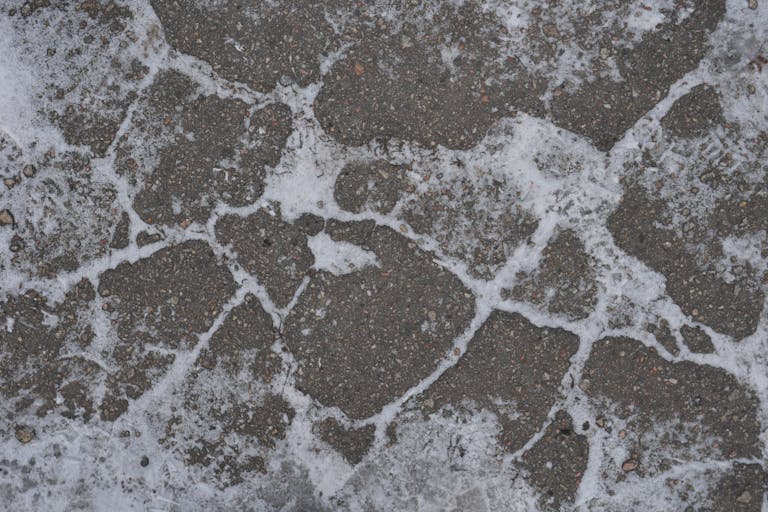
- Black ice looks identical to dry pavement unless your lighting hits it at the right angle
- Steps covered in snow all look like one continuous ramp without proper edge definition
- Snowbanks from shoveling or city plows create shadow zones right where you need light most
Where You Actually Need Light
Your Front Entry and Steps
This is where most falls happen. You’re juggling groceries, wrangling kids, wearing bulky winter gear that restricts movement—all while transitioning from -30°C outdoor cold to indoor warmth (which means slippery boots on any surface).
Here’s what actually works:
- Dedicated light on each step tread, not just at the top and bottom
- Position fixtures so they create slight shadows that reveal edges without creating glare
- A common winter safety target is approximately 2 foot-candles for walkways and up to 5 foot-candles for stairs and entries, depending on site conditions.
- Mount these lights high enough that they stay above snow, at least 24-30 inches
- Wall-mounted fixtures work better than ground-level units, you’ll be shovelling out all winter
Critical safety note: Forget motion sensors here. That 2-3 second delay before lights kick on? That’s when falls happen. Keep entry lighting on continuously during dark hours.
Walkways (The Edges Matter More Than You Think)
Winter walkways get narrower as snowbanks encroach from both sides. Your lighting needs to show where the cleared path actually is, not where it was in summer.
Instead of lighting the center of your walkway, light the edges. Position fixtures 8-10 feet apart along one side, angled to illuminate the boundary between the clear path and snow. This creates an obvious visual line even when the path narrows to half its summer width.
Height matters here too. Bollard-style lights at 24-30 inches stay visible above typical snow accumulation. Those flush ground lights? You’ll be clearing them after every snowfall, and they’ll still disappear behind snowbanks within days.
One more thing about angles: Aim lights downward at 30-45 degrees. This keeps light below falling snow (reducing that disorienting “snow globe effect” during storms) while revealing surface texture that helps you spot ice.
Driveways (Because Driving Over Your Lawn Gets Expensive)
Two jobs for driveway lighting: showing you where the edges are, and revealing ice patches.
For edges, install fixtures every 12-15 feet along the driveway, alternating sides. One light on the left near the garage, the next on the right 12 feet toward the street, continuing this pattern. This creates a visual channel that stays obvious even in heavy snow.
But here’s what people forget: position these lights 18-24 inches back from the actual edge, not right on the border. Snow removal equipment operates at the edges. You don’t want your $200 fixture becoming a casualty of your snowblower.
For ice detection, you need angled lighting that reveals surface texture. Flat overhead light makes everything look the same. Light coming across at an angle shows the difference between dry pavement and ice.
Three Things That Actually Matter
1. Height Above Snow
Winnipeg gets about 115 cm of seasonal snow. Ground-level fixtures, no matter how expensive, disappear under that. You need lights mounted at least 24-30 inches above grade for primary safety areas. That accounts for 40-50 cm of typical snow plus the extra depth from drifting.
For critical paths like entries and main walkways, consider wall-mounted fixtures that stay functional regardless of snow depth. Yes, they cost more upfront. But they work all winter without constant clearing.
2. Angle and Direction
Flat lighting hides texture. Texture is what reveals ice. You need light-hitting surfaces at 30-45 degrees downward to create the slight shadows that show whether you’re walking on dry pavement or a skating rink.
Also, shield the upward light spill. Light bouncing off snow-covered roofs and siding creates glare without illuminating where you’re actually walking.
3. Control Methods That Match Reality
Not all lights need to run continuously, but critical areas do. Here’s how we typically zone things:
- Always on (dusk to dawn): Entries, stairs, primary walkways
- Timer-controlled: Driveways, secondary paths (on during typical usage hours)
- Motion sensors: Low-traffic areas, side yards, back access
Motion sensors save energy, but they’re dangerous in the wrong places. Anywhere a fall could cause serious injury needs immediate illumination, not delayed activation.
What Works vs. What Doesn’t
Things that actually prevent falls:
- Position fixtures above typical snow depth (24-30 inches minimum)
- Use continuous illumination for entries, stairs, and main paths
- Create lighting angles that reveal surface texture
- Set fixtures back from edges where snow removal happens
- Mark fixture locations with stakes before winter
- Use LED fixtures rated for extreme cold
Things that sound good but don’t help:
- Ground-level path lights for critical areas (they’ll be buried)
- Motion sensors on stairs or entries (delayed activation is dangerous)
- Upward-aimed lights (creates glare, highlights falling snow)
- Fixtures right on driveway edges (snow equipment will find them)
- Assuming summer placement works for winter (it doesn’t)
Frequently Asked Questions
Q: How high should walkway lights be to stay above snow?
A: Minimum 24-30 inches for Winnipeg conditions. This accounts for 40-50 cm of typical snow plus drifting in exposed areas.
Q: Can I use solar landscape lights in winter?
A: Not reliably. Shortened daylight, snow covering panels, and reduced battery performance in cold make solar lights inadequate for winter safety lighting.
Q: Should driveway lights be on both sides?
A: Alternating sides (one left, next right, continuing pattern) creates effective visual channel definition using fewer fixtures than double-sided placement.
Q: Do LED lights work in -40°C temperatures?
A: Quality LED fixtures maintain 90% efficiency at -30°C and function at -40°C. Cheap LED fixtures may fail—specify cold-rated commercial-grade products.
Q: Should entry lights stay on all night?
A: Yes. Entry lighting should operate continuously during dark hours. Motion sensor delays create unnecessary fall risks at critical locations.
Professional Winter Lighting Design
Effective winter safety lighting requires understanding Winnipeg’s specific challenges: 115 cm seasonal snowfall, -40°C temperatures, 14-hour darkness periods, and constant freeze-thaw cycles creating ice conditions.
Lawn ‘N’ Order designs landscape lighting systems accounting for winter safety from initial planning. Our installations position fixtures above snow depth, use cold-rated LED technology, and incorporate zoned control optimizing safety and efficiency.
Contact Lawn ‘N’ OrderRelated Resources
- Lawn ‘N’ Order Landscape Lighting Services
- Winter Landscape Lighting Protection Guide
- Environment Canada: Winnipeg Climate Data
- Canadian Standards Association: Outdoor Lighting Standards
Winter lighting design is safety engineering, not decoration. Proper height, angles, and control methods transform properties from hazardous dark zones into safely navigable spaces throughout Manitoba’s long winter nights.