Fence Installation Cost Winnipeg 2026
- Small fence project: $10,000–$15,000 | Medium: $15,000–$30,000 | Large: $30,000–$45,000
- Post depth matters more in Manitoba than anywhere else — frost heave destroys shallow posts
- Material choice (wood, vinyl, aluminum) significantly affects both cost and maintenance
- Permits may be required depending on height, location, and proximity to property lines
- Clay soil and a short season are the two reasons Winnipeg fencing costs more than online estimates suggest
Fence Installation Costs in Winnipeg
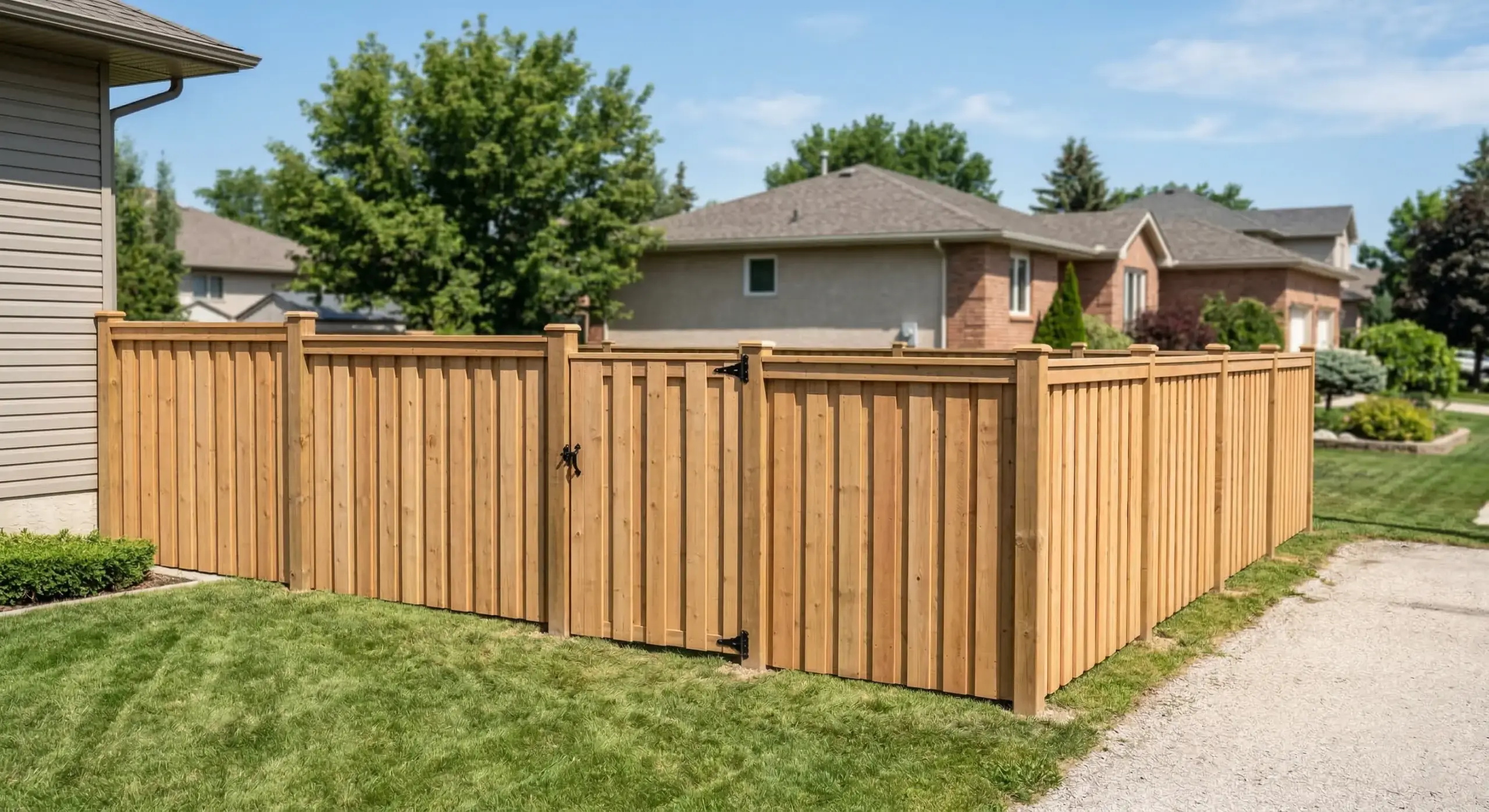
Fence pricing varies more than most people expect. A simple wood privacy fence along one side of a yard and a full perimeter aluminum fence with multiple gates are both “fence projects,” but they’re nowhere near the same cost.

Fence Material Options
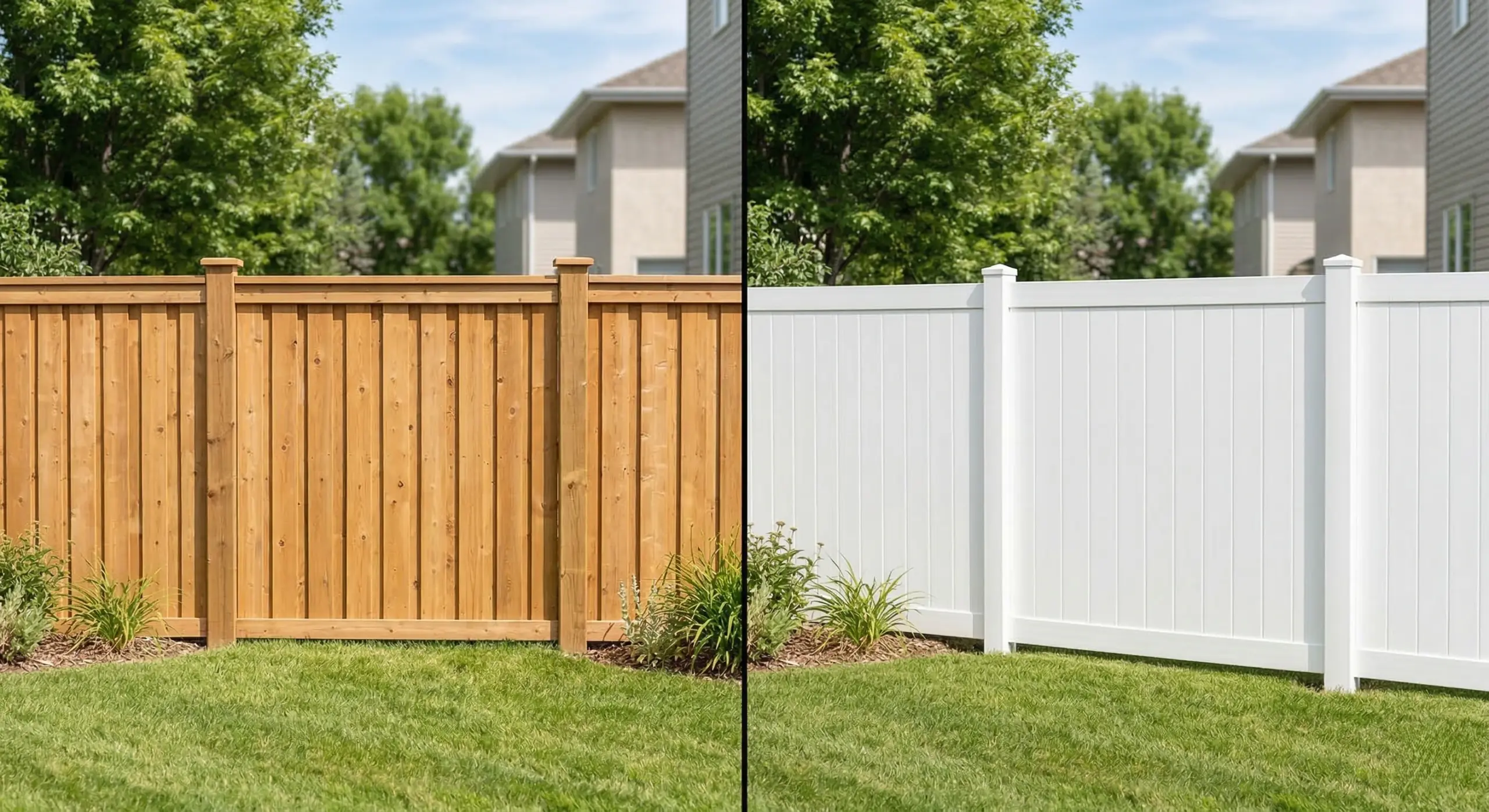
Material is the biggest cost variable after project size. Here’s a straight comparison of what’s available and what it means for your yard.
Pressure-Treated Wood
The familiar backyard standard. Treated lumber resists rot and insects — the most budget-friendly option per linear foot. Expect to repaint or re-stain every 3–5 years in Winnipeg’s climate.
Cedar
Naturally rot-resistant and better looking than pressure-treated. Cedar costs more upfront but requires less maintenance. A popular choice for privacy fences in higher-end Winnipeg neighbourhoods.
Vinyl and PVC
No painting, no staining, no rotting. Vinyl fences look consistent year after year with minimal maintenance. Higher upfront cost, performs well in our climate as long as posts are properly anchored below frost.
Aluminum
The right choice when you want the look of wrought iron without rust or weight concerns. Popular for front yards, pool enclosures, and decorative perimeters. Extremely low maintenance.
Why Winnipeg Fence Installation Costs More
Frost Depth Requirements
This is the non-negotiable. Fence posts in Manitoba need to go at least 4 feet into the ground to reach below the frost line. Posts set shallow will heave, lean, and eventually fail. Proper depth requires a power auger, more concrete, and more time on every single post.
Post Hole Drainage and Concrete Collar
A detail that separates professional fence installations from DIY work: drainage gravel at the bottom of each post hole, with a concrete collar that slopes away from the post at grade. Without drainage, water collects at the base of the post hole, saturates the soil, and creates ideal conditions for frost heave and post rot. The sloped concrete collar sheds surface water outward rather than letting it pool around the post.
Clay Soil and Ground Conditions
Winnipeg’s heavy clay holds moisture and expands when frozen. Digging through it is harder than sandy or loamy soil. Clay around fence posts also traps water, which is why proper post installation includes drainage backfill around each post, not just concrete poured to grade. This connects to the same drainage challenges that affect patios and retaining walls across Winnipeg yards.
Prairie Wind Load
Manitoba’s open prairie exposure means fences need to handle significant wind pressure. A 6-foot privacy fence acts like a sail. Structural integrity depends on post spacing, panel design, and proper anchoring. Undersized installations fail in the first major storm season.
Common Fence Mistakes to Avoid
Shallow Post Depth
The most common DIY failure. A post set at 2 feet might look stable in September. By May, after a full Manitoba freeze-thaw cycle, it’s leaning 10 degrees. Always go to a minimum of 4 feet.
⚠ Winnipeg reality check: Posts set shallow will heave, lean, and eventually fail — the most expensive and frustrating outcome in DIY fence projects. Proper depth is non-negotiable in Manitoba’s climate.
Using the Wrong Material for Your Purpose
Vinyl looks great until a car taps it in a tight driveway. Wood is beautiful but demands consistent maintenance commitment. Choose based on your actual use case and tolerance for upkeep, not just initial aesthetics.
Skipping the Property Line Survey
Winnipeg has had plenty of fence disputes between neighbours. Know your property line before breaking ground. A survey costs a few hundred dollars and eliminates the risk of building on the wrong side or being forced to move a finished fence.
FAQ: Fence Installation in Winnipeg
Do I need a permit for a fence in Winnipeg?
Permits are required for fences over 1.2 metres (about 4 feet) in most Winnipeg residential zones. Front yard fences, corner lots, and proximity to utilities can all trigger additional requirements. Check with the City of Winnipeg Planning, Property and Development department before starting.
Do I need to call before digging post holes?
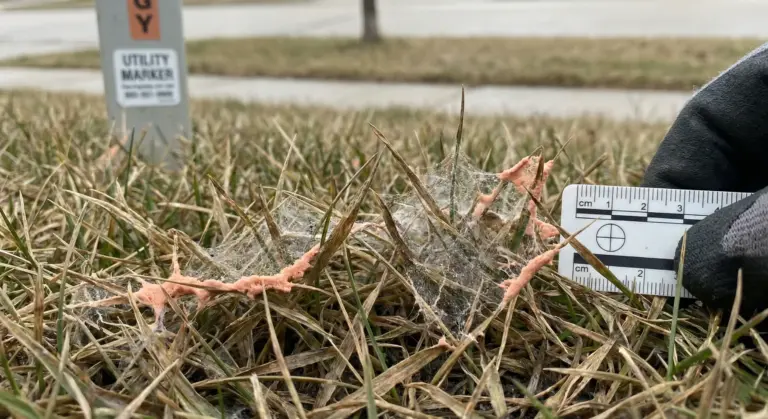
Yes. Manitoba law requires a utility locate before any digging. Contact Manitoba 811 (Click Before You Dig) to have underground utilities marked before any post holes are dug. The service is free and takes a few business days to process. Any reputable fencing contractor will factor this into the project timeline.
How long does fence installation take?
A typical residential fence project takes 2–4 days for installation once the crew is mobilized. Post setting and concrete curing add time before panels go up. Total project timeline, including scheduling, is usually 1–3 weeks from booking to completion, depending on the season.
What’s the most durable fence material for Manitoba?
For longevity with minimal maintenance, aluminum or vinyl are the top picks. For a balance of durability, aesthetics, and cost, cedar is hard to beat. All three outlast pressure-treated wood when properly installed — which in Manitoba means posts deep below the frost line with proper drainage backfill.
Get a Fence Quote
Our team handles the full project from design and permits through to final cleanup. Start with a free estimate, then book a site visit for a formal quote.
Get a Free Estimate Book a Consultation